Get involved
100% of your donation will go to support the work of the Turneffe Atoll Sustainability Association

maintaining ecosystem services and sustainably managing fisheries
The Adaptive Management Program guides TASA’s on-site management of the Turneffe Atoll Marine Reserve. The program aims to maintain ecosystem services and sustainably manage fisheries through different marine monitoring programs that promote the direct application of science into adaptive management. Three thematic areas make up the AMP: Sustainable Fisheries, Ecosystems/Habitat Health, and Complementary Livelihoods.
Sustainable Fisheries management encompasses strategies such as monitoring Fisheries Catch Data, Spawning Aggregation monitoring, Lobster Fishing Camp Inventory, and Long-Term Atoll Monitoring. Habitat/Ecosystems Health initiatives focus on monitoring Reef Health and Nesting Sites to protect important habitats. The seaweed mariculture initiative as a complementary livelihoods activity, aims to strike a balance between economic activities and environmental conservation within the Turneffe Atoll Marine Reserve.
Maintaining regular and standardized monitoring under the Adaptive Management Program is essential for enhancing decision-making processes and optimizing management efficiency. Through the continuous tracking of key indicators and the collection of relevant data, TASA is able to use science for adaptive management of the Turneffe Atoll Marine Reserve.
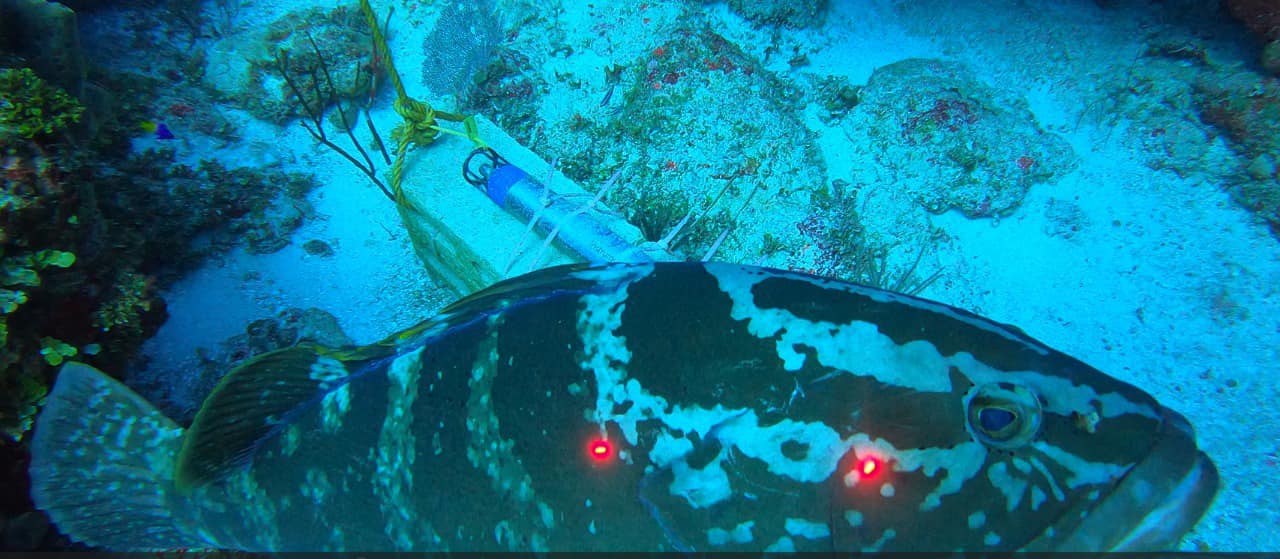
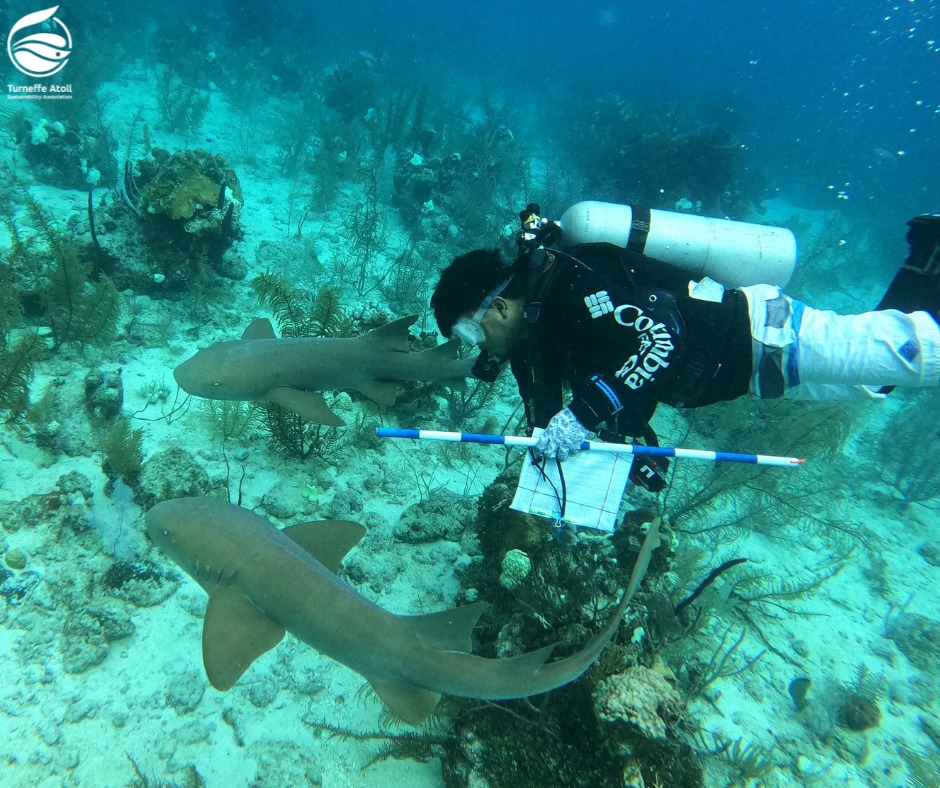
Fish Spawning Aggregation Monitoring is one of TASA’s core fisheries monitoring programs. The Adaptive Management Program conducts seasonal surveys at three protected aggregation sites within Turneffe Atoll Marine Reserve: Mauger Caye, Dog Flea, and Caye Bokel. Monitoring is carried out around peak spawning periods with the aim of documenting the abundance, size structure, and seasonal dynamics of commercially important species such as Nassau grouper, Cubera snapper, Dog snapper, and Mutton snapper.
Standardized SCUBA-based visual surveys and laser sizing techniques are used to generate reliable size and abundance data. Passive acoustic monitoring is also applied at select sites to better understand aggregation timing and persistence. During key spawning periods, the science team maintains a consistent presence at these sites, contributing not only to biological monitoring but also to in-water observations of illegal fishing gear or signs of unauthorized harvesting. This integrated approach strengthens both scientific understanding and on-the-ground protection of these critical reproductive habitats.
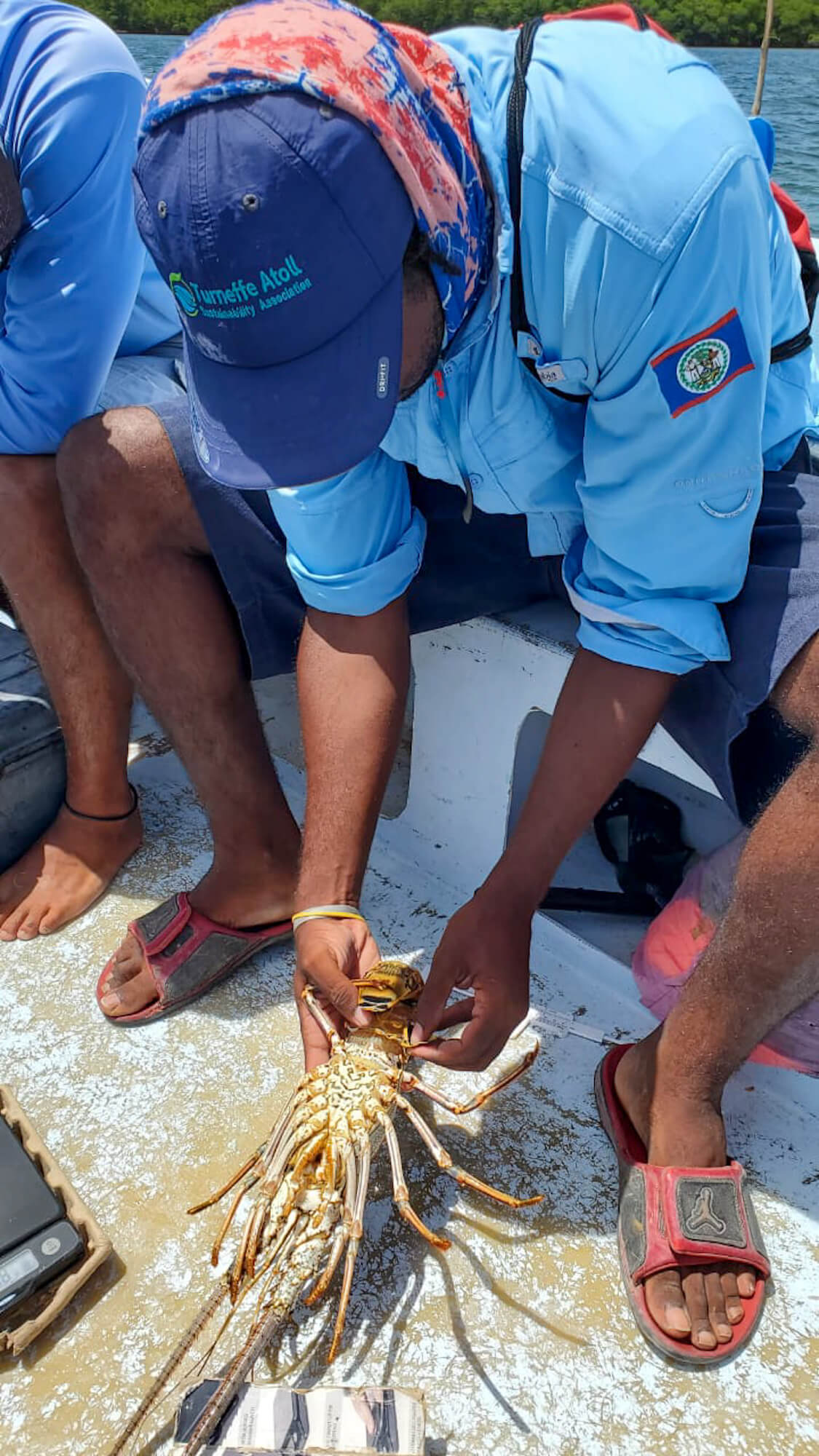
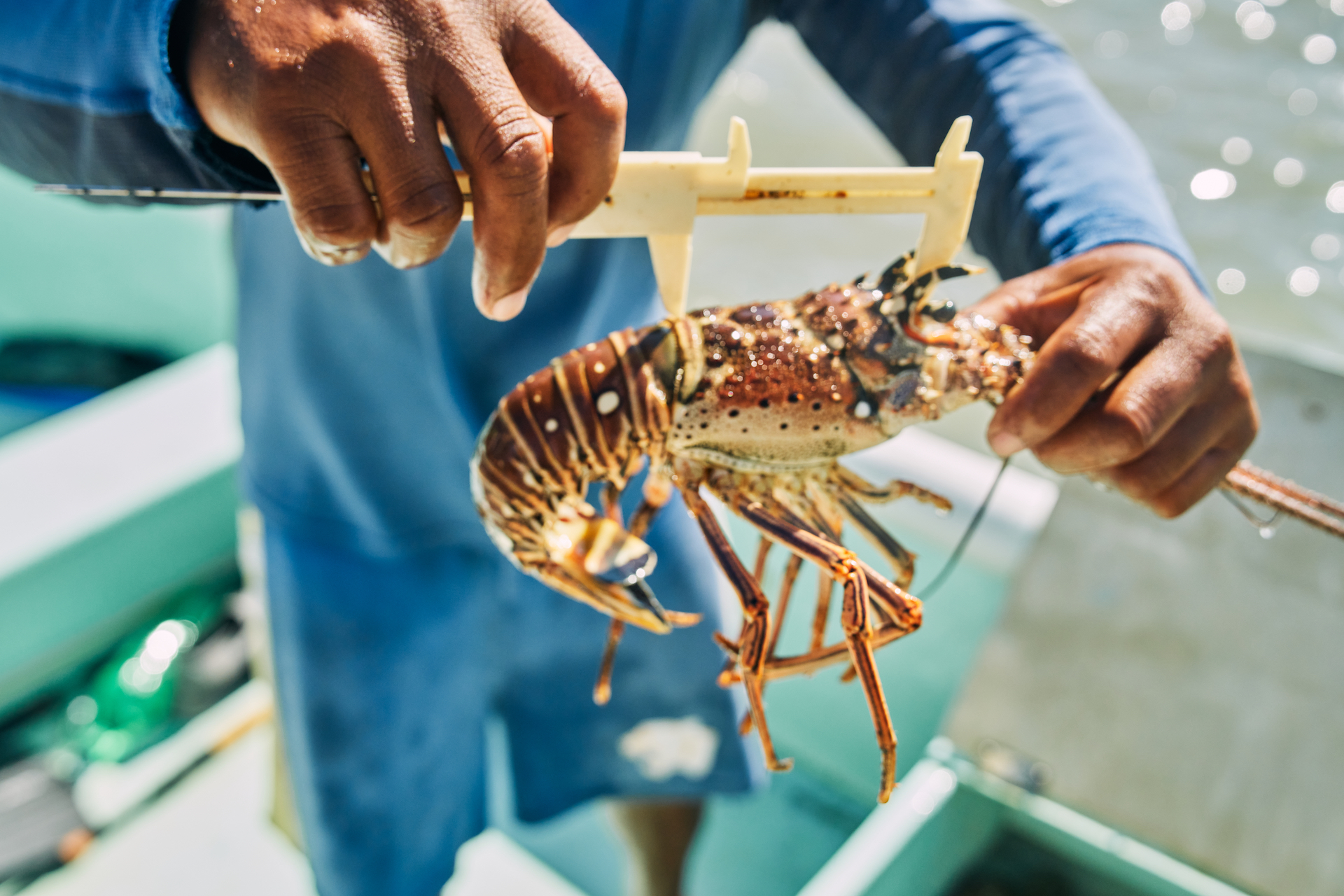
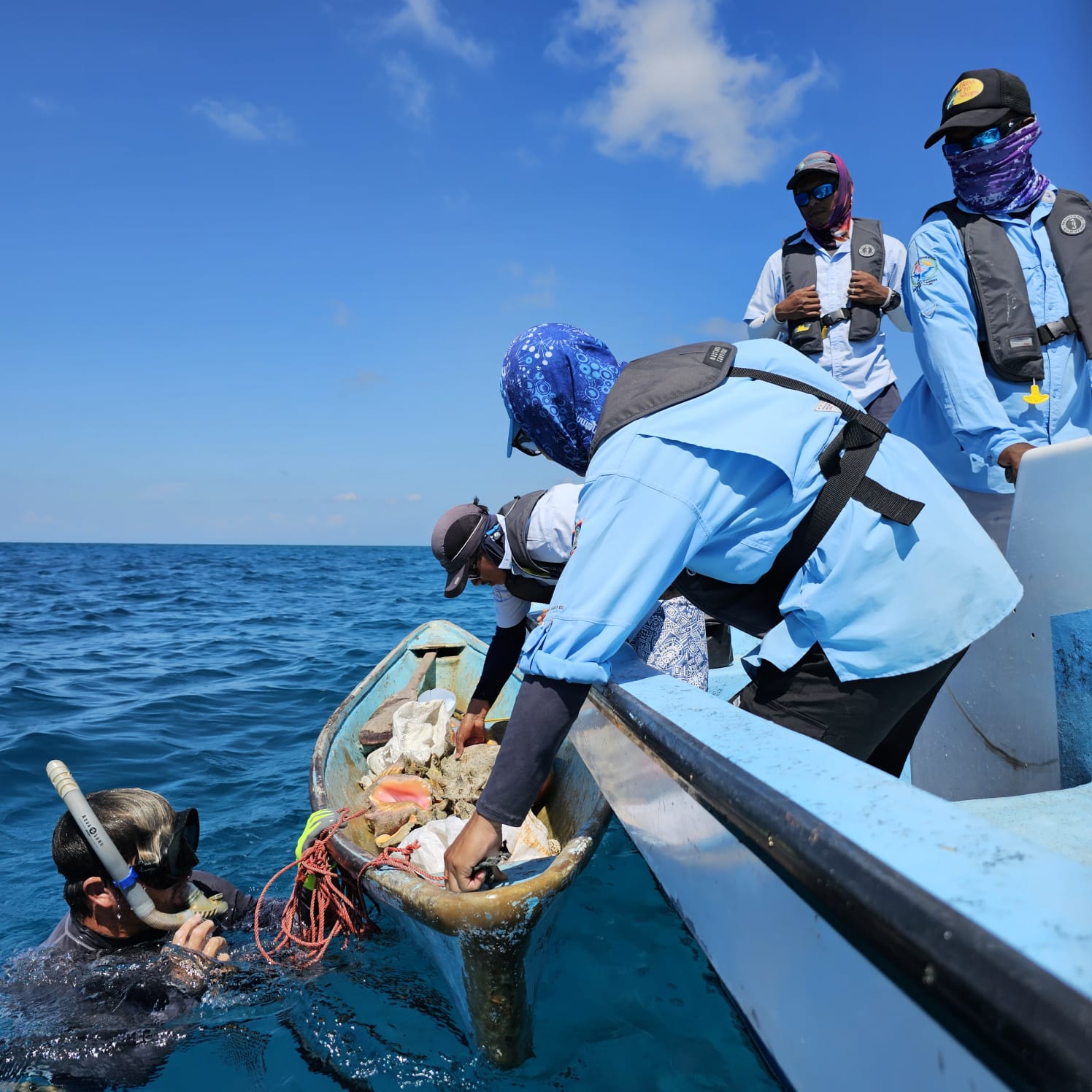
The Fisheries Catch Data program monitors the catch and size structure of priority commercial species (Caribbean Spiny Lobster, Queen Conch and Finfish) across Turneffe Atoll. Data is collected by TASA Conservation Science Officers using standardized methods. The AMP verifies, cleans, and analyzes these data to track trends, inform adaptive fisheries management, and guide enforcement strategies by identifying high fishing activity areas and seasonal patterns.
The Fishers Catch Data Pilot Program further engages local fishers through a voluntary initiative. Participants receive a cellular device equipped with the Spatial Monitoring and Reporting Tool (SMART), training, and a stipend to record their catch, bringing stakeholders directly into the data collection process. This collaborative approach enhances local capacity, strengthens stewardship, and provides complementary insights into fishing effort and species trends.
The Long-Term Atoll Monitoring Program (LAMP) LAMP generates independent scientific data that is intended to complement catch records and support adaptive fisheries management. It is designed to assess the status of priority commercial species across Turneffe Atoll such as the Caribbean Spiny Lobster and Queen Conch.
The information collected through LAMP provides insights into population trends, spatial distribution, and stock condition. These data are intended to support adaptive fisheries management and help inform TASA’s enforcement strategies by identifying ecologically important areas, seasonal patterns, and zones that may require increased monitoring or protection. The data also contributes to national reporting and management processes.
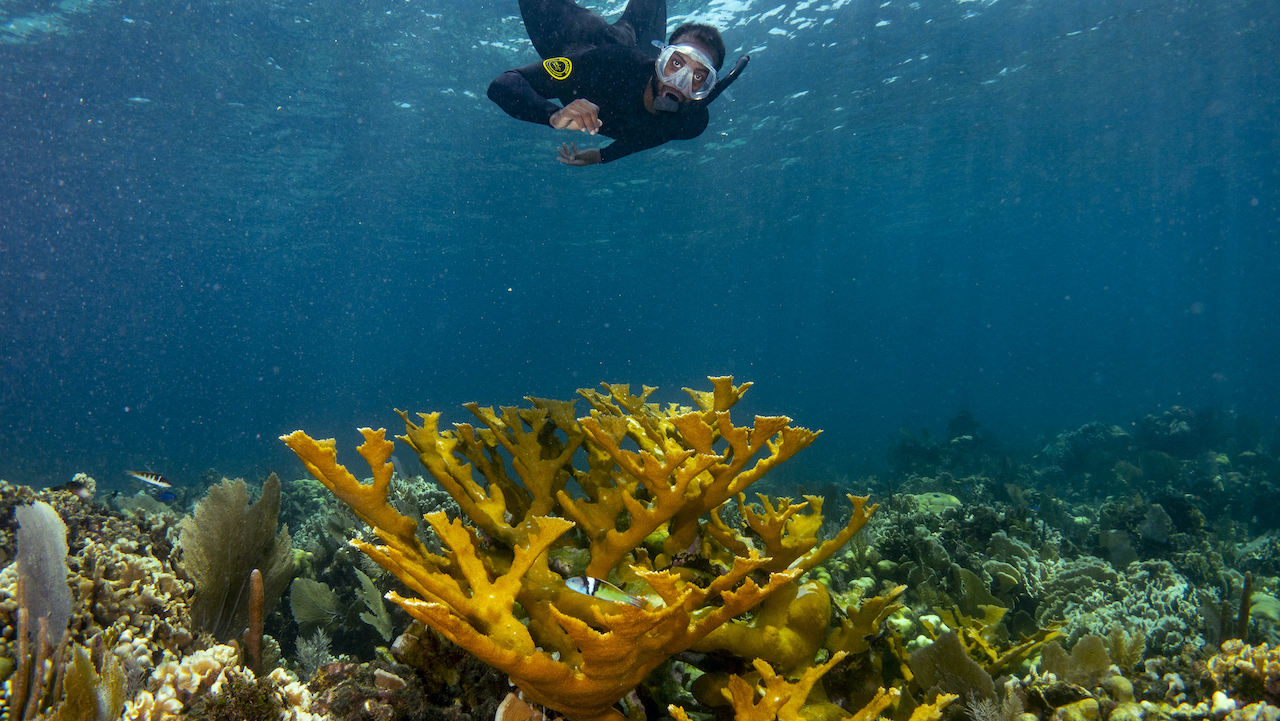
Coral reef monitoring is conducted to assess reef health, track bleaching events, and evaluate long-term ecosystem resilience. The AMP conducts coral bleaching assessments at permanent monitoring sites during periods of elevated thermal stress, allowing for comparison across years and seasons.
In collaboration with the University of Belize Environmental Research Institute (UB ERI), the AMP also implements comprehensive coral reef ecosystem health assessments using the AGRRA (Atlantic and Gulf Rapid Reef Assessment) methodology every two years. These surveys evaluate coral cover, species composition, disease prevalence, and reef fish communities. Together, these monitoring efforts provide a better understanding of reef conditions and inform conservation planning within TAMR.
In addition to core programs, the AMP implemented a range of monitoring initiatives in 2025 that support ecosystem-based management across Turneffe Atoll:
TASA uses Hydrophones to assist with Spawning Aggregation Monitoring.
Rapid field assessments document canopy condition, regeneration, and visible stressors. The AMP also collaborates on mangrove blue carbon studies to understand carbon storage and coastal resilience.
Surveys track seagrass extent, density, and environmental stressors, supporting the conservation of critical nursery habitats and informing nearshore management priorities.
Water quality assessments were conducted by a partner organization under an ongoing project, with AMP supporting coordination and integration of these data. These measurements of key parameters, such as nutrients and temperature, provide essential context for reef, seagrass, and mangrove health and strengthen adaptive management across the reserve.
The Turneffe Reef-Monitoring Data Dashboard is an interactive platform designed to share TASA’s monitoring data with the public in an accessible and engaging way. Developed in collaboration with UB-ERI, it presents datasets from key programs such as Fisher Catch and LAMP through dynamic visualizations built in R, enhanced with HTML, CSS, Javascript, and echarts4r. Users can explore data across years, adjust species, metrics, or timeframes, and interact with charts via tooltips and toggleable legend items.
While the dashboard provides a transparent view of TASA’s collected data, users should note that some datasets, such as Fisher Catch and the Fisheries Catch data, may contain gaps or require further validation. The tool emphasizes exploration and understanding of the available data rather than drawing definitive conclusions about ecological health.
The Adaptive Management Program guides TASA’s on-site management of the Turneffe Atoll Marine Reserve.
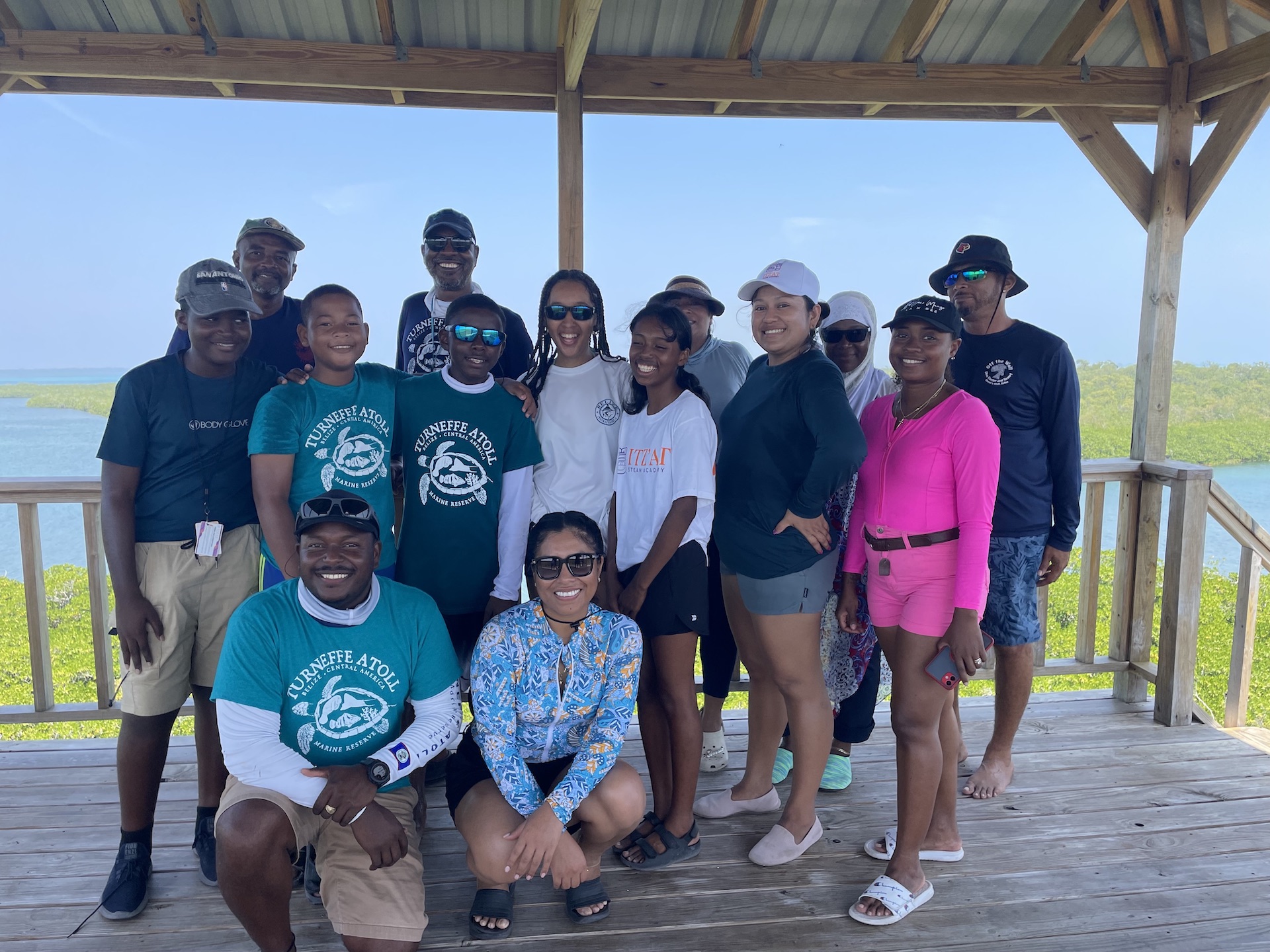
Fostering improved stewardship of natural resources through active involvement with stakeholders
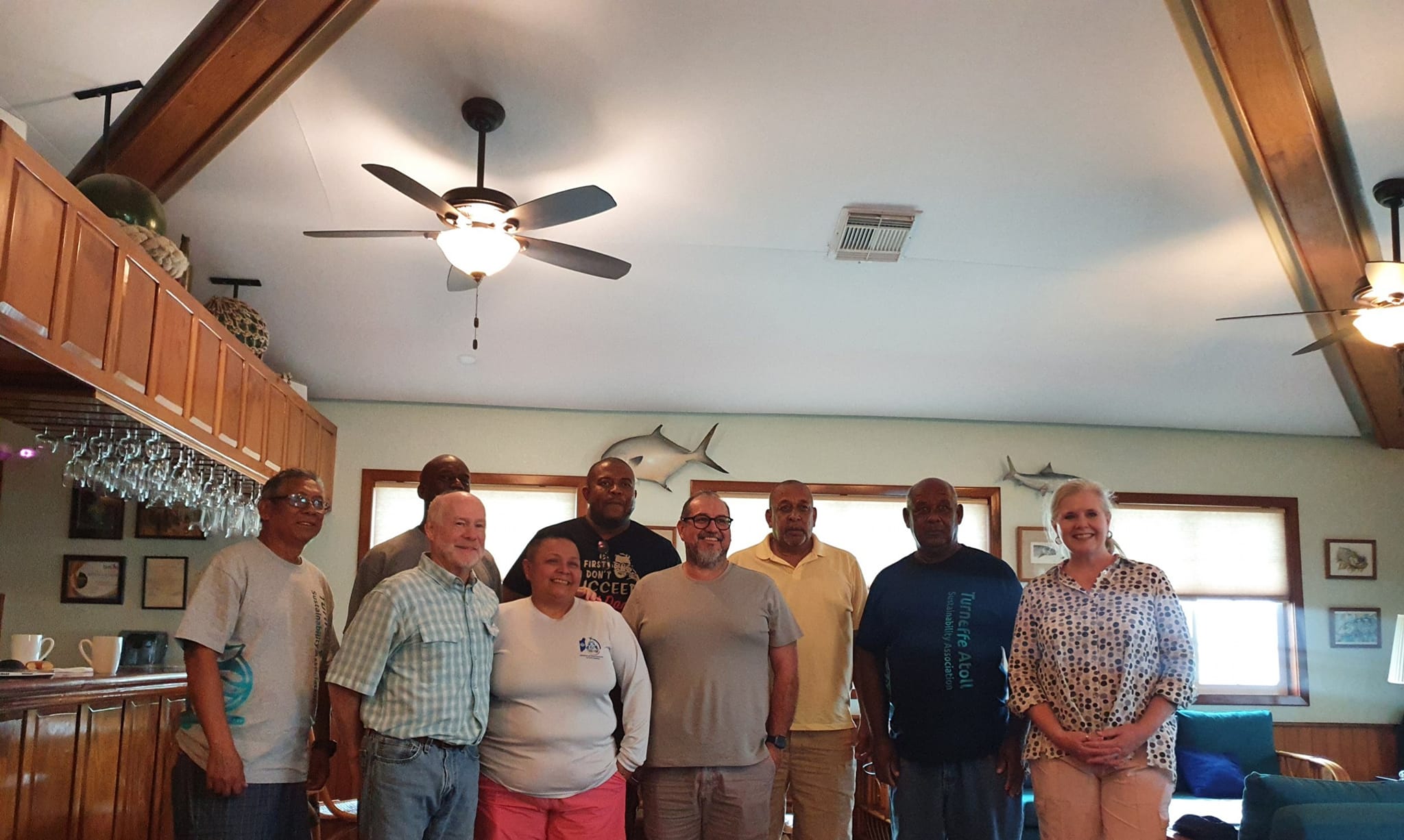
Ensuring the effective management of the Atoll's natural resources.
100% of your donation will go to support the work of the Turneffe Atoll Sustainability Association