Discover the Turneffe Atoll Marine Reserve, a protected marine area of regional and global importance that includes a mosaic of rich ocean habitats.
Turneffe Atoll is renowned as a uniquely developed barrier reef structure and a biodiversity hotspot. Although many people view it as an isolated natural feature, it actually forms part of the Mesoamerican Reef (MAR), which stretches for more than 1,000 kilometres along the Caribbean coastlines of Belize, Guatemala, Honduras, and Mexico.
Furthermore, this vast reef system supports an extraordinary variety of marine habitats and wildlife. Turneffe Atoll stands out as one of the most important sections of the MAR because of its ecological diversity and conservation value.
In addition, the Mesoamerican Reef protects coastlines, improves water quality, and supports sustainable livelihoods throughout the region. Local communities benefit from fishing opportunities, tourism activities, and marine conservation initiatives that depend on healthy reef ecosystems.
Moreover, the reef provides essential habitat for commercially important fish species and many other forms of marine life. As a result, it plays a vital role in maintaining biodiversity and supporting local economies.
Similarly, Turneffe Atoll contributes to these benefits on a local scale. It protects coastal habitats, supports ecotourism, and helps preserve one of Belize’s most valuable natural resources for future generations.
Turneffe’s history, dating to the late Classic Mayan period, is varied and interesting. Artifacts found on Calabash Caye and near Grand Bogue confirm that during the late Classic and the early Post-Classic periods of the Mayan civilization (perhaps 400 A.D), there were a number of Mayan fishing villages at Turneffe. Artifacts indicate that these fishermen traded with communities as far away as Guatemala.
In 2012, the Turneffe Atoll Marine Reserve was established as Belize’s most comprehensive Marine Reserve , championed by Lisel Alamilla, the then-Minister of Forestry, Fisheries, and Sustainable Development. Financial sustainability, initially a key hurdle, was addressed with support from the Bertarelli Foundation facilitated by BLUE Marine Foundation. A co-management model, recognized for its effectiveness, was adopted with the Turneffe Atoll Sustainability Association (TASA) formed to manage the reserve.
TASA’s Board of Directors, comprising stakeholders from the fishing community, tourism sector, academia, and marine science, ensures balanced, informed decisions. This structure aims to maintain the atoll’s ecological and socio-economic integrity. The establishment of the Turneffe Atoll Marine Reserve was a significant milestone in Belize’s conservation efforts and sets an example for other countries facing similar challenges. With continued collaboration and effective management, Turneffe Atoll will thrive as a protected area and contribute to the sustainable development of Belize’s marine resources.
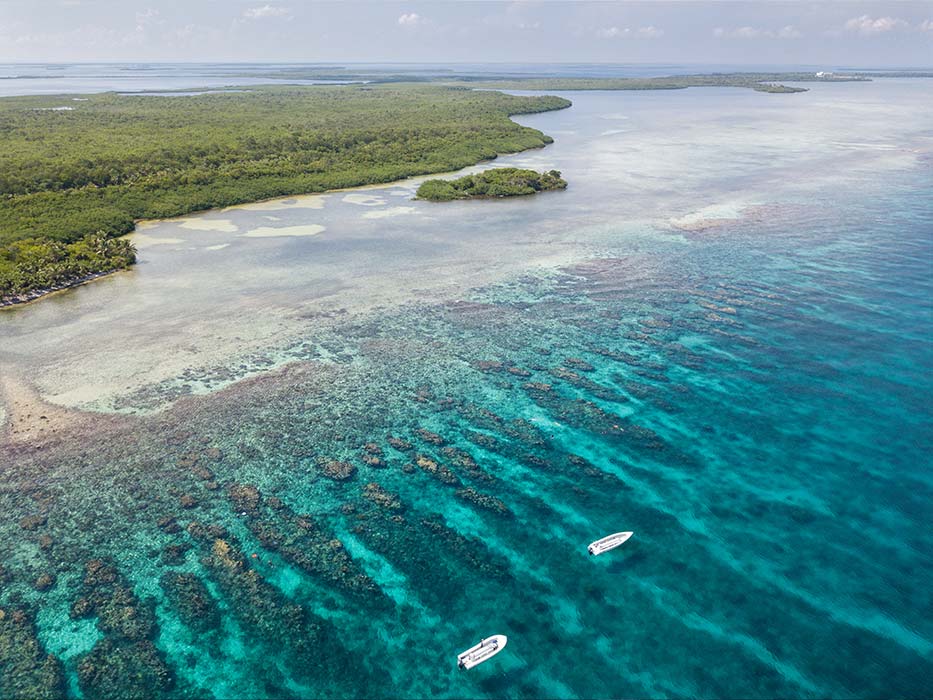
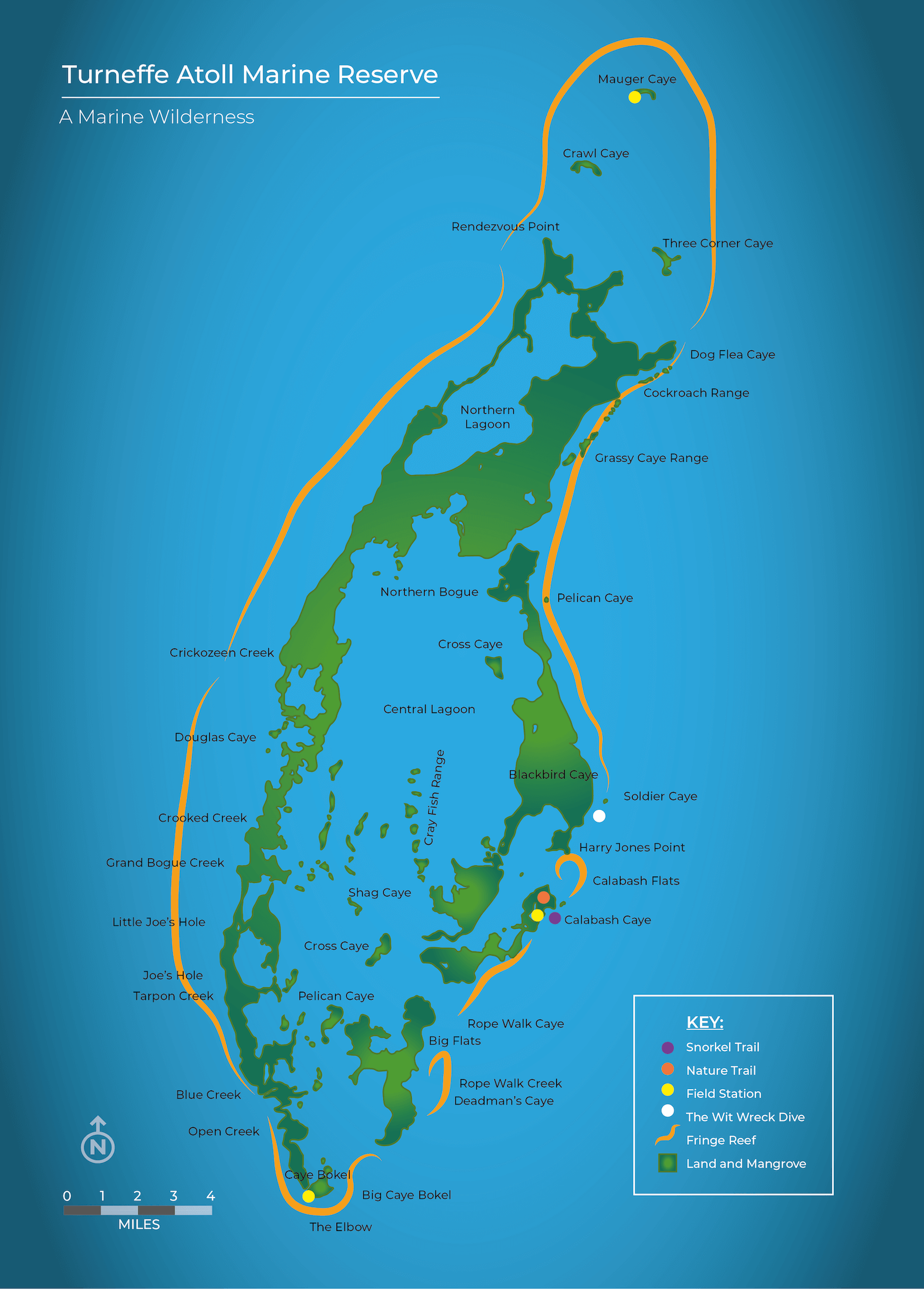
Turneffe Atoll is approximately 50km long and 20km wide, surrounded by a shallow fringing reef and filled with a labyrinth of channels and mangrove-covered Cayes. To help navigate this remote marine wilderness, we’ve created a collection of maps.
A map of the Turneffe Atoll Marine Reserve depicting our nature trail and snorkel trail; the location of the Wit; our field stations; and the major Cayes, lagoons, and surrounding fringe reef.
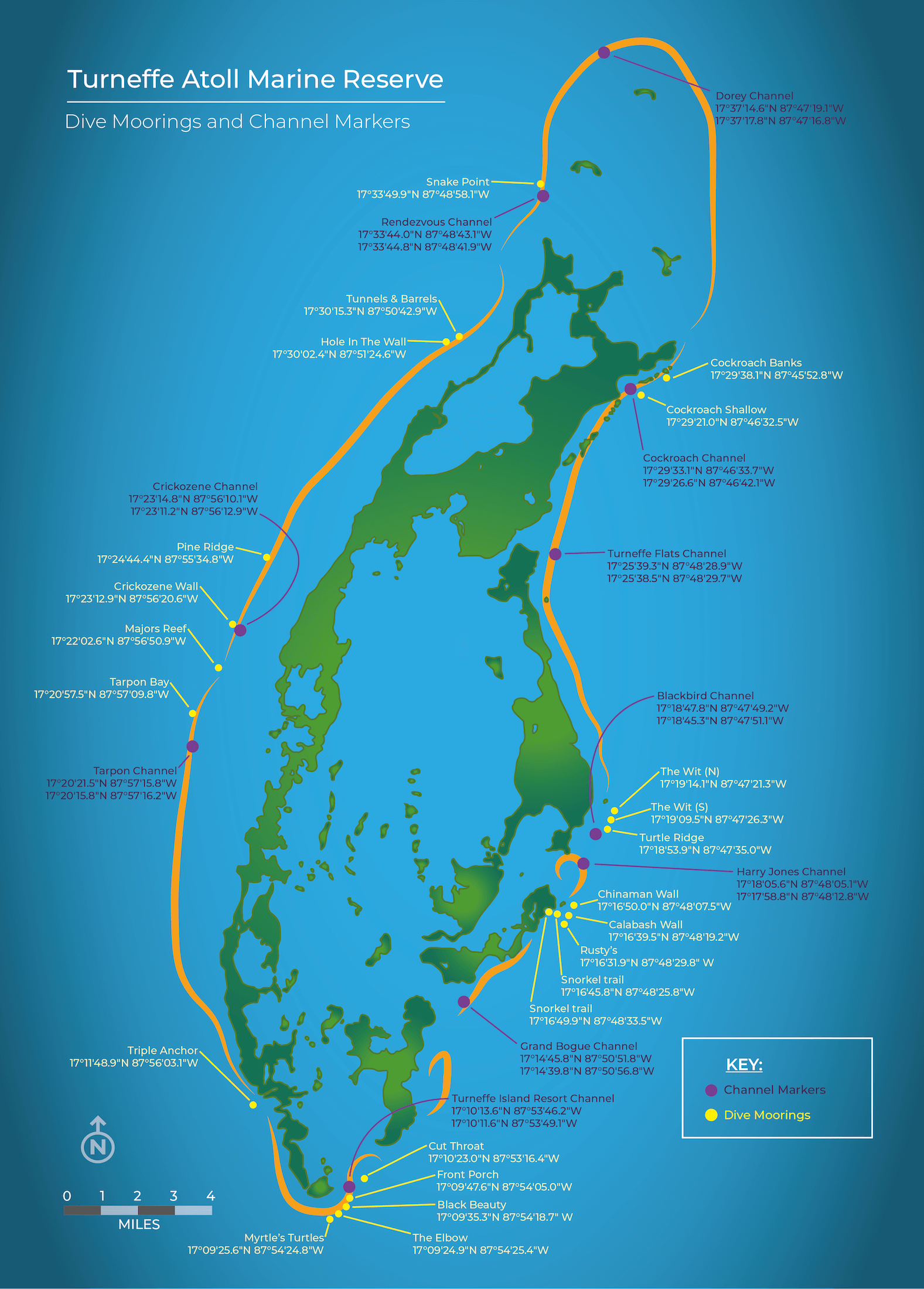
To make the Turneffe Atoll Marine Reserve safer and easier to visit, we’ve deployed an extensive network of buoys. This map depicting our dive moorings and channel markers will help you navigate the best scuba diving in Belize.
Tasked with the protection of the Atoll, the Turneffe Atoll Sustainability Association has mapped out its conservation and management zones, including Turneffe’s vitally important spawning aggregation sites.
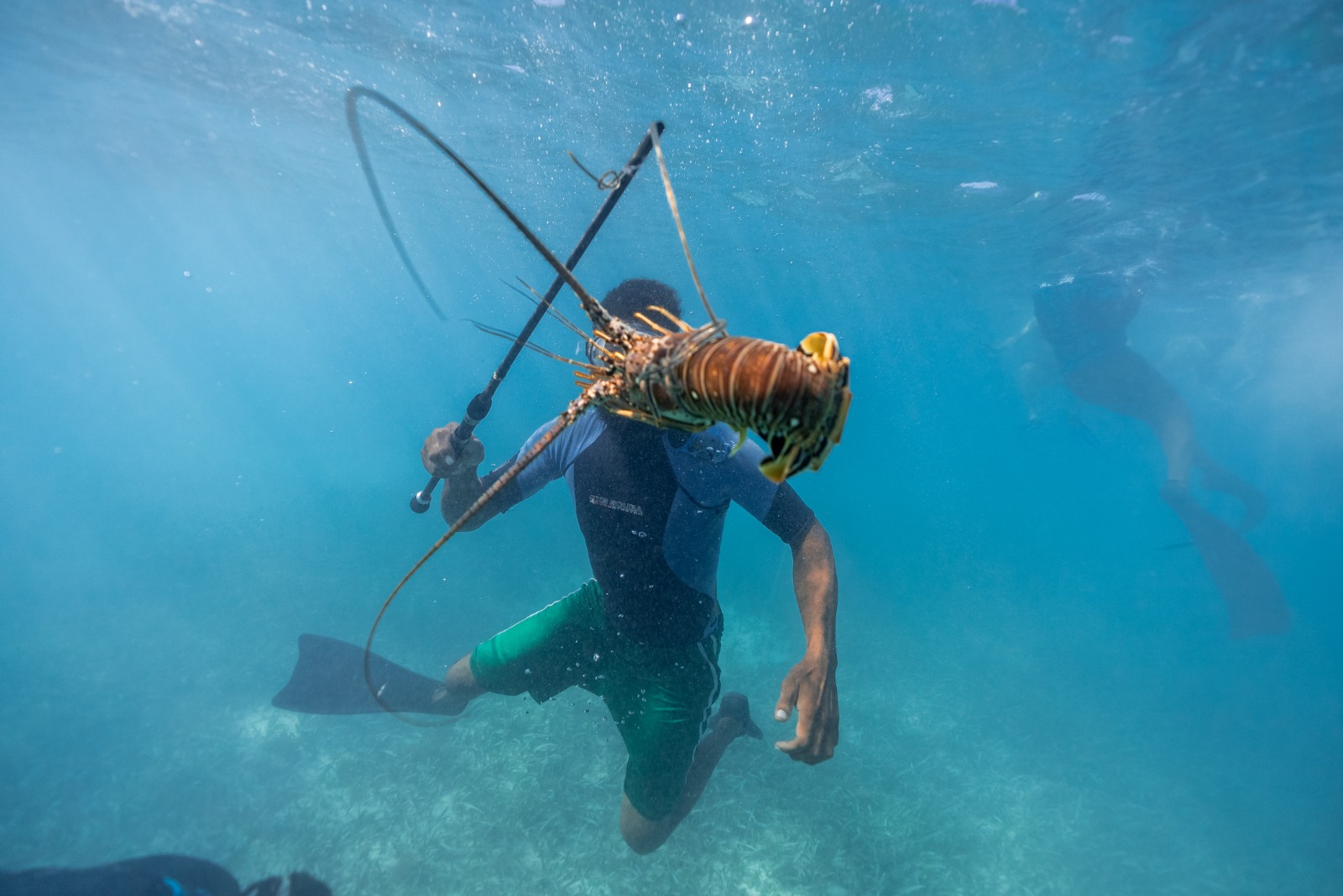
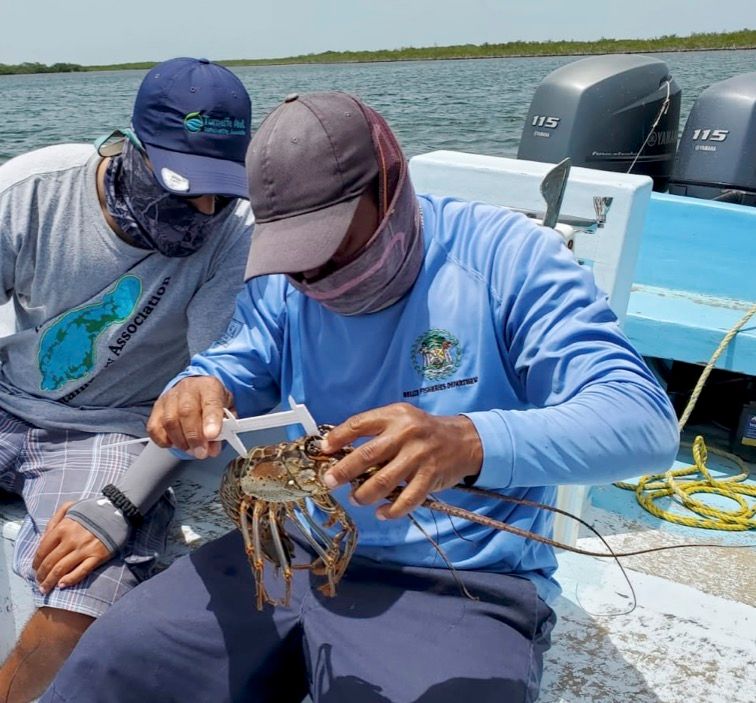
Established in 2012, the Turneffe Atoll Marine Reserve (TAMR), centered on Turneffe Atoll in Belize, is a classic example of a Marine Protected Area or MPA. Its importance comes from its size (it’s the largest offshore atoll marine reserve in Belize), location and the diversity of habitats it contains. The TAMR has been created and managed to protect and sustain these ecosystems as well as the livelihoods of coastal communities whose people depend on a long-standing traditional fishery based on conch, finfish and lobster.
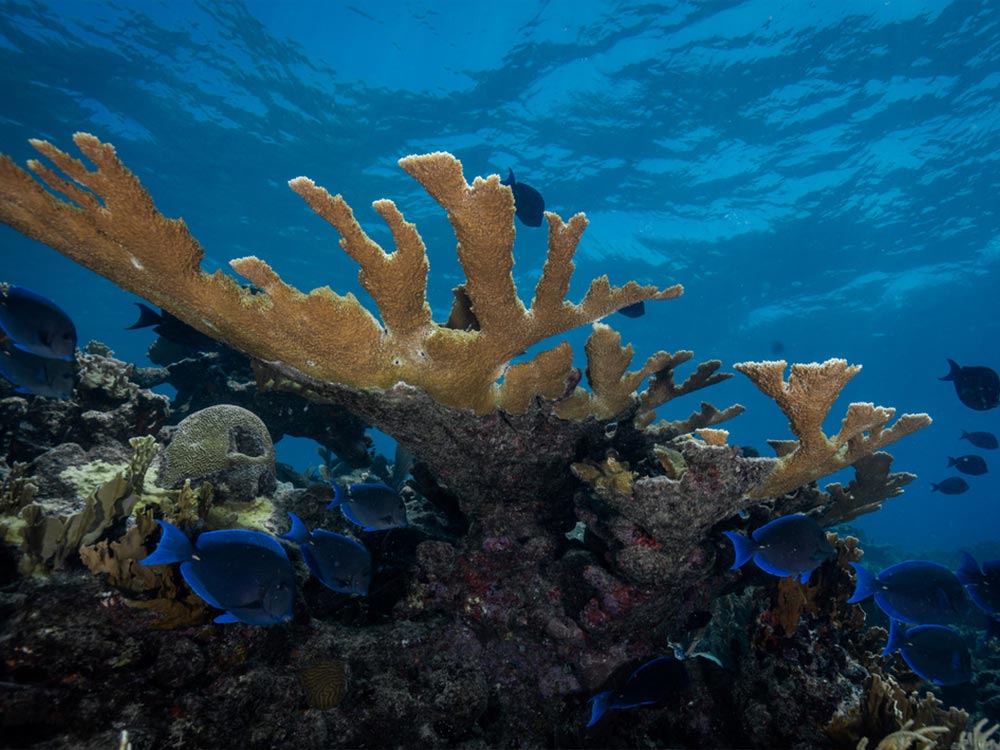
Different gradients on the reef help the coral deal with changing sea temperatures
Unlike other MPAs in Belize, the TAMR protects deep water (blue water) habitats and important fish spawning grounds as well as the reef itself. It also covers habitats including mangrove swamps, terrestrial vegetation, and seagrass. This remarkable mosaic of habitats only makes the TAMR more important.
Mangroves and seagrass play a key role in protecting habitats against storm surges, filtering and removing pollutants, increasing salinity, and providing nursery areas for fish. Coral reefs of course provide habitat for many other species, as well as also acting as protective barriers against rising sea levels.
Turneffe Atoll helps protect Belize’s coastal areas by reducing wave energy
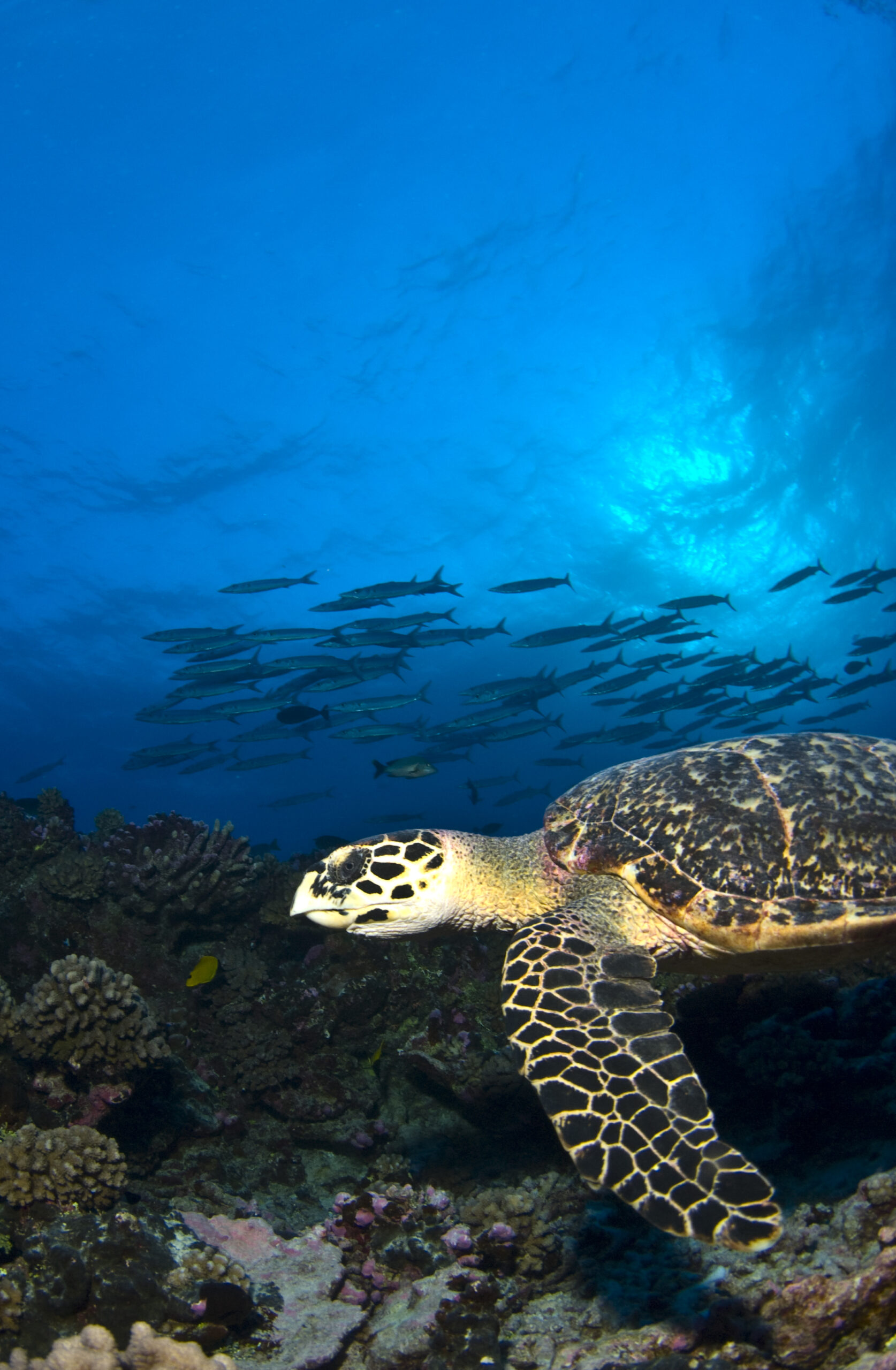
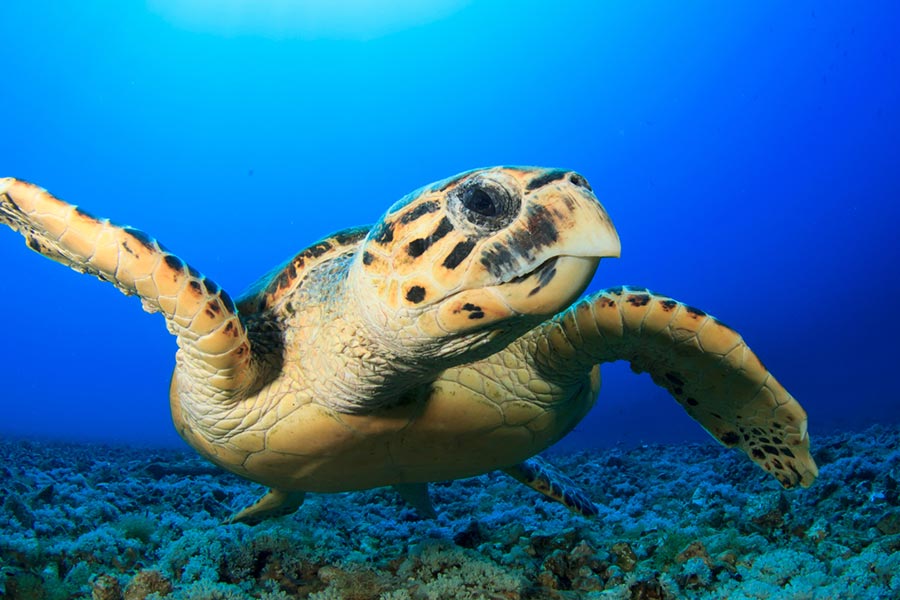
Turneffe Atoll is a biodiversity hotspot with an abundance of iconic, important and threatened species.
Following best practices in marine parks and protected areas helps responsible travellers do the right thing.
We can only save what we can understand, which is why science is so important for corals and reef ecosystems like Turneffe Atoll in Belize.
Marine Protected Areas (MPA's) are the ocean equivalent of a nature reserve on land – that is, a defined area that is legally protected.
Coral reefs are the building blocks of life – both in the oceans and on land. The importance of coral reefs cannot be overstated.