Best Practices Guide

Responsible travel and best practices in marine parks

Marine tourism can be beneficial, but it can also be destructive. Following best practices in marine parks and protected areas helps responsible travellers do the right thing.

A guide on how to behave in Marine Protected Areas

The Importance of Marine Conservation

Marine ecotourism and responsible travel can have a positive impact on marine parks and the coastal communities that depend on them. Tourism generates revenue for local economies, supports jobs, and increases awareness of marine conservation through education, research, and firsthand experiences. However, when tourism is conducted recklessly or without consideration for the environment, it can have the opposite effect. Unsustainable practices can damage the very ecosystems and natural resources that attract visitors in the first place. As a result, irresponsible travel may have long-lasting negative effects on biodiversity, marine habitats, and the livelihoods of people who live near the ocean.

Why Responsible Travel Matters

We created this guide to help visitors better understand the challenges facing marine protected areas and the role they can play in conservation. By following responsible travel practices during your visit, you can help protect fragile marine ecosystems while supporting local communities. Getting it right is essential—not only for today’s environment but also for future generations.

How Visitors Can Reduce Their Impact

The best practices outlined in this guide focus on reducing pressure on marine wildlife, sensitive habitats, and coastal communities. Some recommendations may seem obvious, while others are less apparent. Nevertheless, each action can make a meaningful difference. By making informed choices and respecting local regulations, visitors can help preserve the natural beauty and ecological value of marine protected areas for years to come.
01.

Snorkeling and Diving

Protecting Coral Reefs While Snorkelling and Diving

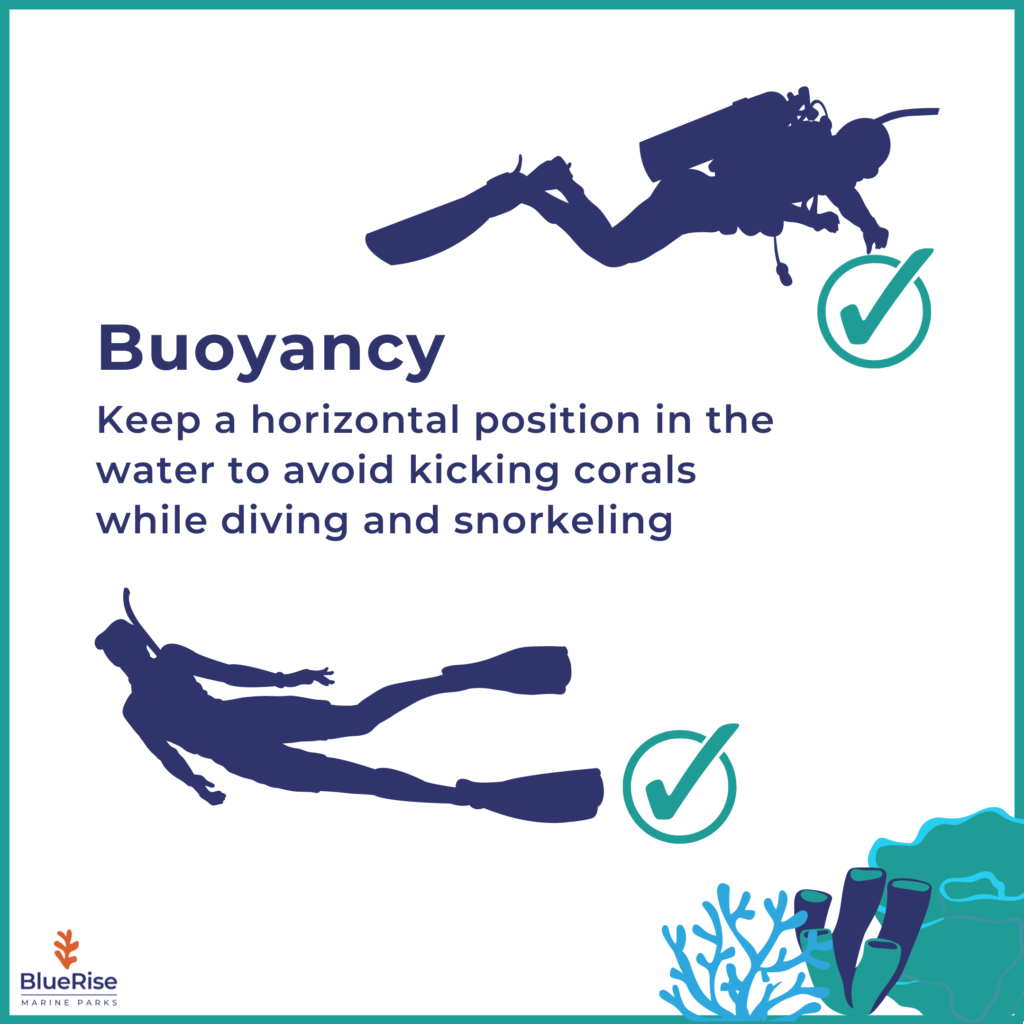
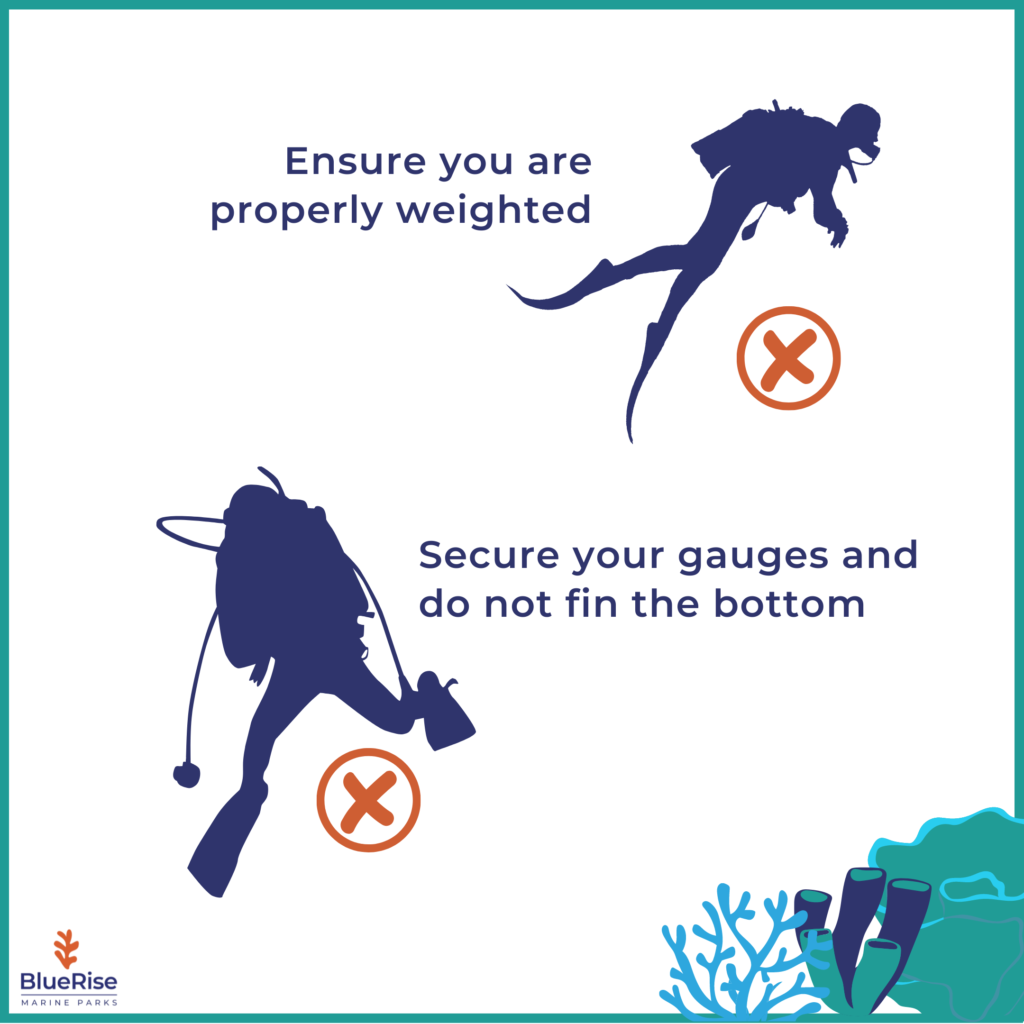
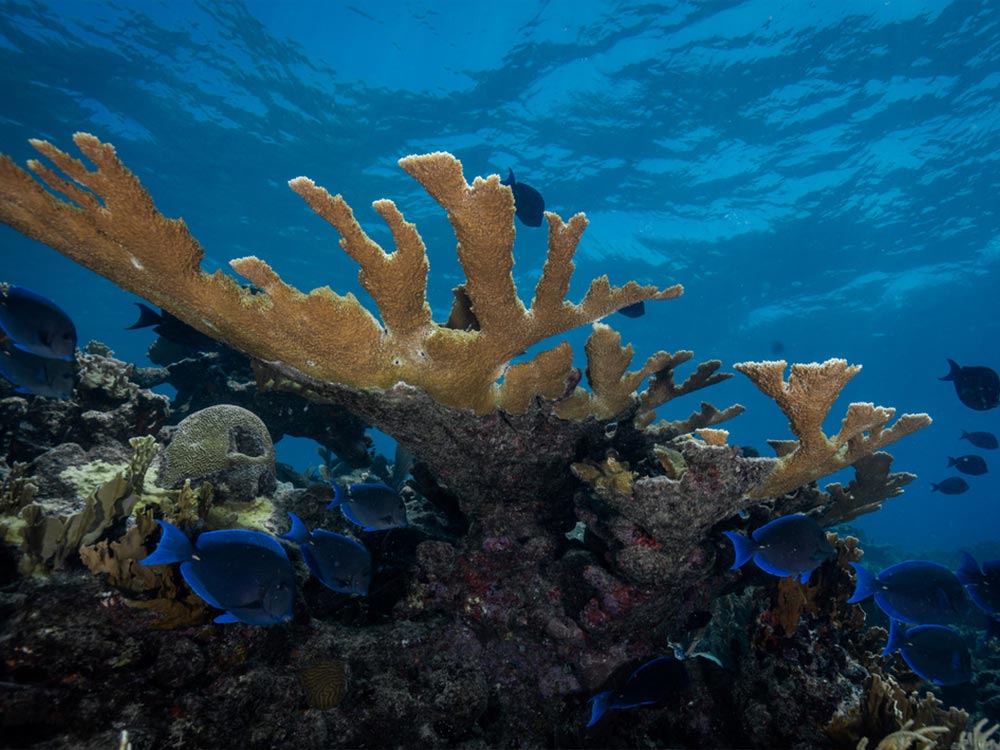
Snorkelling and diving are among the most popular activities in marine protected areas because they allow visitors to explore the underwater world and observe marine life in its natural habitat. However, these activities can also damage the ecosystems they are meant to showcase. Accidental contact with coral reefs is one of the most common threats. Divers and snorkellers, particularly those with limited experience, may unintentionally touch corals or disturb the seabed. Disturbing sand and sediment does more than reduce underwater visibility. It can block sunlight from reaching seagrass and other marine plants, while also affecting filter-feeding organisms that rely on clean water to obtain food.

Respecting Marine Wildlife Underwater

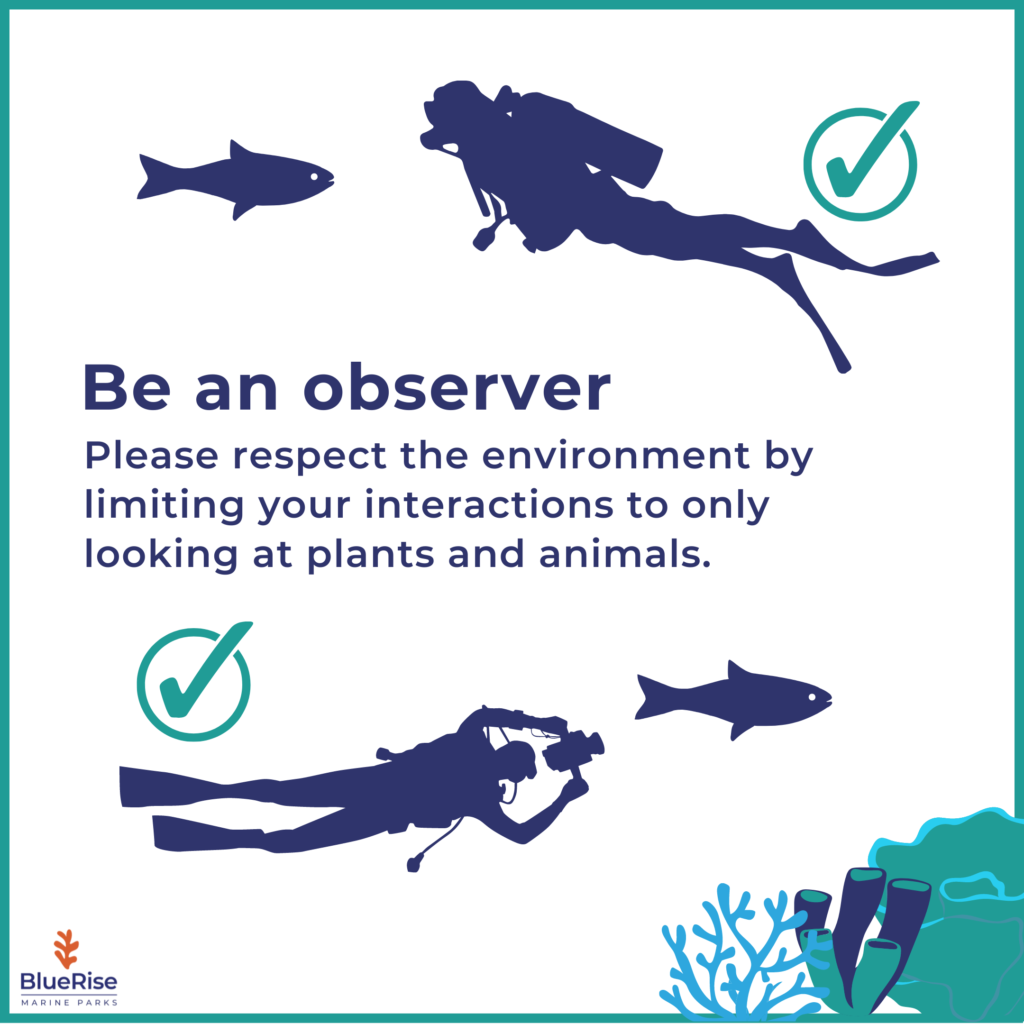
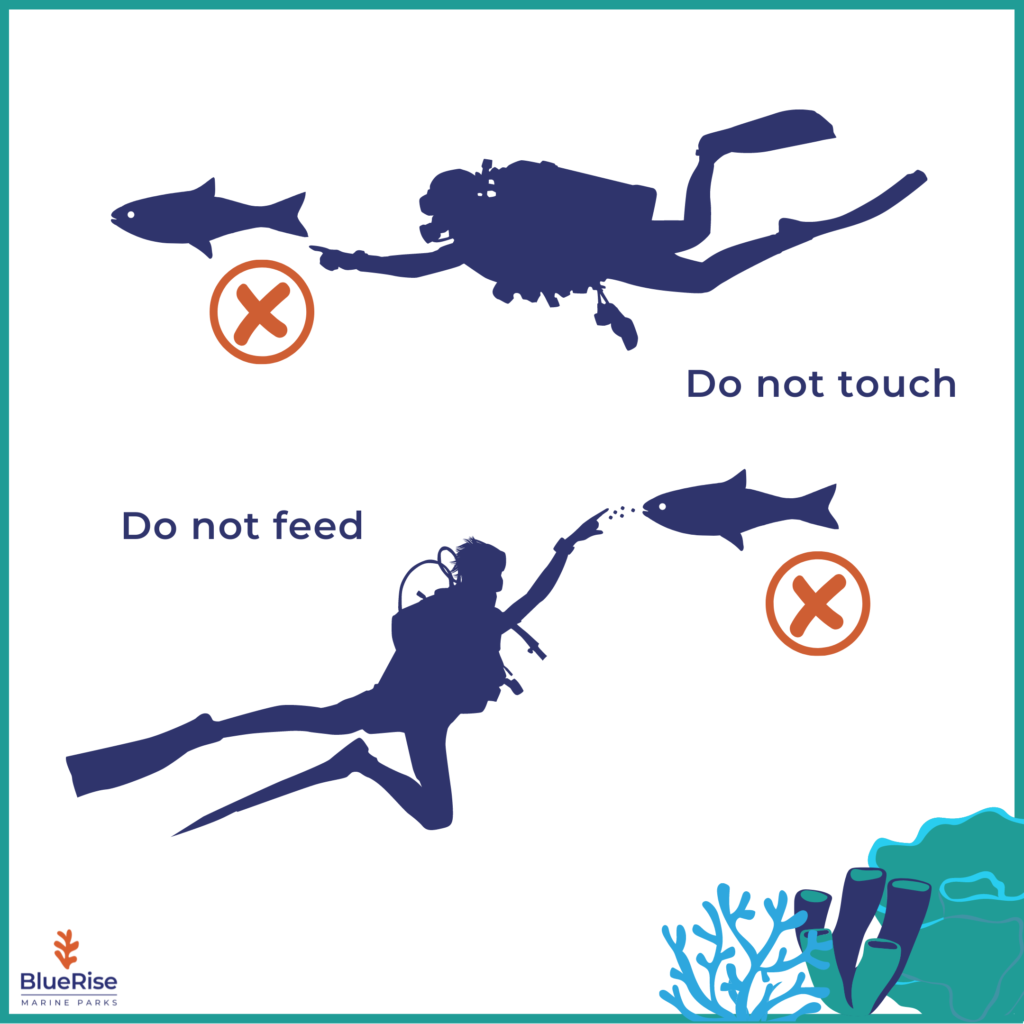
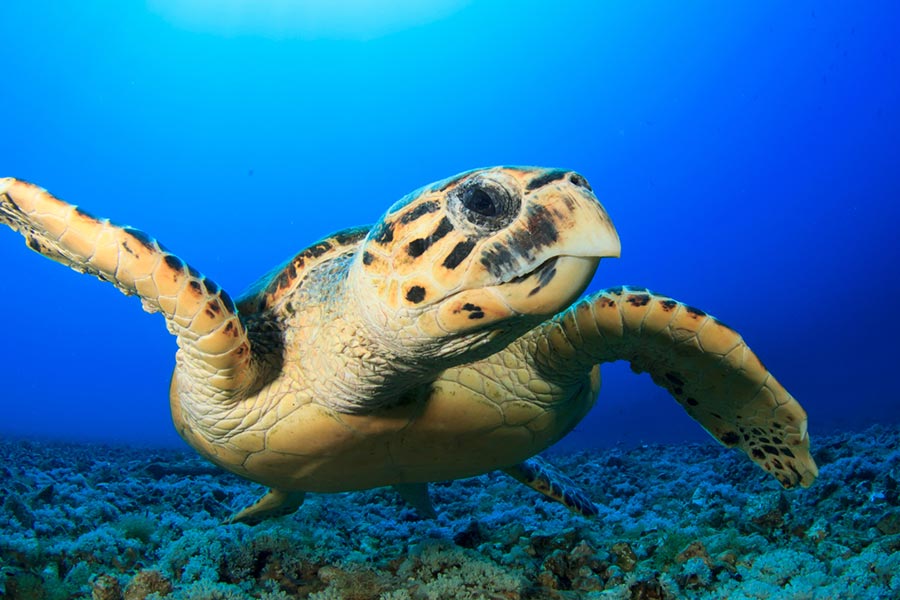
Getting too close to marine animals can cause stress and alter their natural behaviour. As a result, wildlife may stop feeding, abandon important habitats, or become more vulnerable to predators. Visitors should also avoid feeding wild animals. Feeding wildlife can make animals dependent on humans and encourage unnatural behaviours that may harm both the animals and the surrounding ecosystem. Maintaining a respectful distance helps protect marine life and ensures a safer, more natural experience for everyone.

© Beth Watson

Blurise-Marine-Parks_Responsible-travel_Snorkeling-Diving_1
Blurise-Marine-Parks_Responsible-travel_Snorkeling-Diving_2
Blurise-Marine-Parks_Responsible-travel_Snorkeling-Diving_3
Blurise-Marine-Parks_Responsible-travel_Snorkeling-Diving_4

Why best practice is important

Corals in particular can take years to recover from being damaged, due to being very slow growing. Fish and other creatures have specific diets that don’t necessarily include snacks from divers. Your actions underwater can have a real impact – whether it’s dropping litter, kicking out with fins, or leaving bubbles in tunnels and caves.

  • Before you travel, practice your skills – particularly in terms of buoyancy, swimming against the current, and maintaining a certain position and depth. The more confident you are in the water, the less likely you are to make uncontrolled movements that could cause harm.
  • Before each excursion, ask your guide or boat captain to brief you on specific issues in that area. Reliable operators will know designated areas to take you to, and optimum spots for anchoring (see below for more information on this).
  • Check that your equipment is in good working order before entering the water – this will avoid problems and panicking.
  • Make sure that anything that enters the water with you, leaves with you. In other words, don’t drop litter underwater.
  • Avoid using chemicals like sunscreen when you dive or snorkel, as this can affect sweater chemistry.
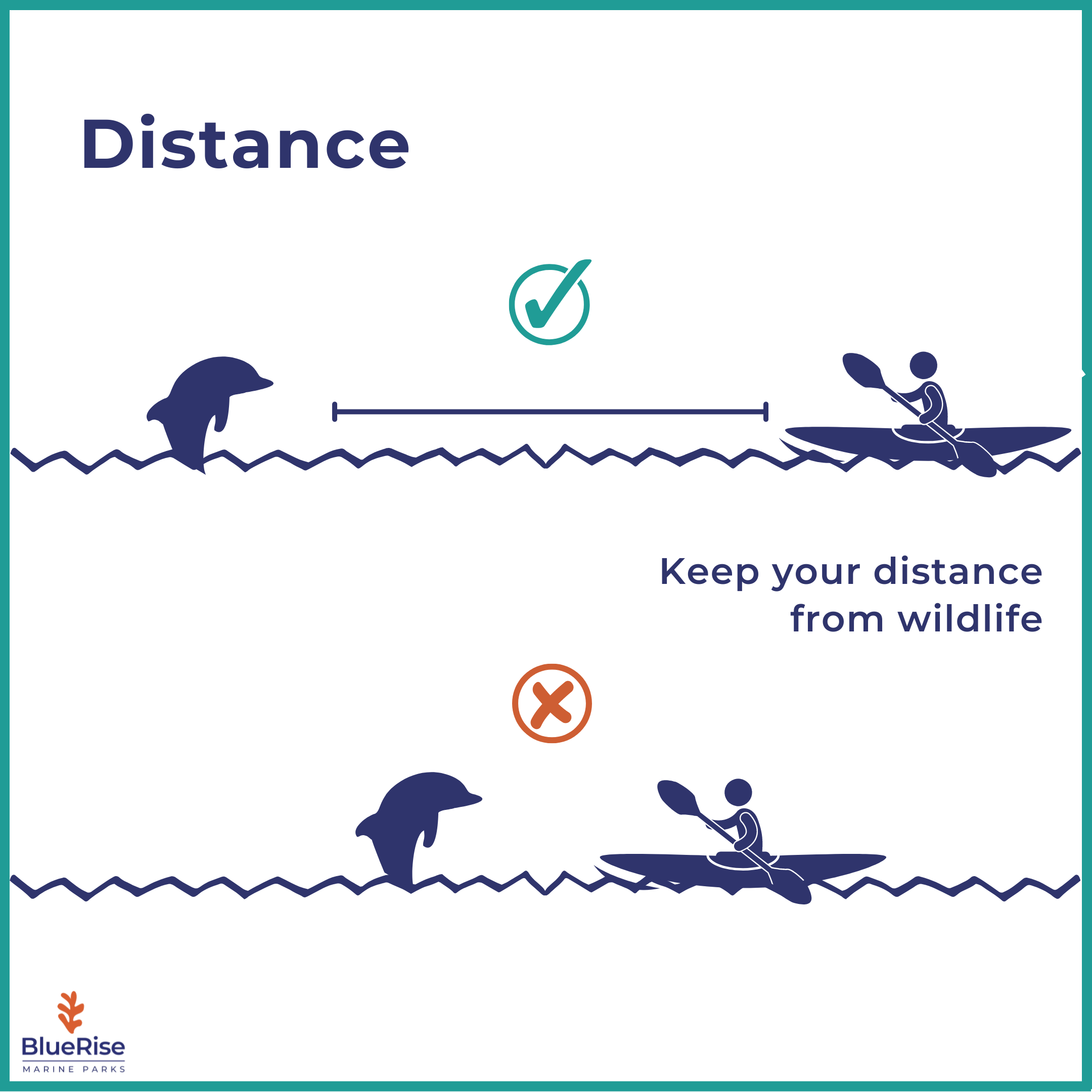
  • Approach marine creatures slowly, to avoid startling them. Avoid boxing them in – they should always feel that they can easily get away. If a fish swims away from you, don’t chase it. In other words, keep your distance!
  • If you’re trying to take a picture, be patient – the creature’s welfare is more important than whether or not you get the perfect shot.
  • Never touch or feed any marine species – you could cause injury, make it more prone to disease, or change its behaviour.
  • Never collect any creature, alive or dead. Even empty seashells play an important role in the ecosystem – they belong on the reef, not in your home.
  • Especially if you’re new to snorkelling or diving, stay close to your guide, and with the group. This will help you avoid straying into sensitive areas.
  • Focus on your spatial awareness while you’re underwater – especially if you’re wearing fins. It’s not always easy to see what you’re kicking against.
02.

Viewing Marine Life From Boats and Kayaks

How to Minimize Disturbance to Marine Wildlife

Boats and kayaks give you access to offshore reefs and create opportunities to observe whales, dolphins, manatees, and other marine species. While these animals are a major attraction for visitors, they are also highly sensitive to human disturbance. Boats can travel at high speeds, change direction suddenly, and generate significant engine noise. Together, these factors can create stress for marine wildlife. The impact can be especially harmful during critical life stages, such as when whale mothers are caring for young calves. Visitors should avoid crowding animals or approaching them too closely. When multiple boats gather around wildlife, stress levels can increase significantly and disrupt natural behaviors.

Reducing Noise and Collision Risks

Engine noise can interfere with the natural sonar that whales and dolphins use to communicate, navigate, and locate food.. In addition, boats can collide with marine animals, particularly when operating at higher speeds. Propellers can cause severe injuries to wildlife at the water’s surface. Slow-moving species such as sea turtles and manatees are especially vulnerable. By maintaining safe distances, reducing speed, and following local wildlife-viewing guidelines, visitors can help protect these animals and support responsible marine tourism.

Why best practice is important

Of course, you’ve come on holiday to enjoy seeing marine wildlife behaving naturally in pristine habitats – the last thing you want to do is cause harm, even though it’s accidental. It’s clear that boats and kayaks can add a lot to your marine wildlife experience – but need to be well managed.

Physical damage to reefs can take years or even decades to recover due to very slow growth rates. Coral can even be killed off completely. This type of habitat degradation means reduced biodiversity – fewer fish for you to see, and less food for traditional fishing communities.

By stirring up the seabed, clouds of floating sediment are created. This leads to reduced visibility and less sunlight reaching the reefs. It can also choke seagrass (a vital filter) and many smaller creatures.

Pressure from boats can lead to changes in behaviour from some species – they could either come too close, looking for food and changing their natural behaviour, or more likely be scared away. 

  • Marine wildlife should be approached slowly and calmy, and as quietly as possible.
  • Ideally, approach obliquely or from behind. Sudden turns or making a wake should be avoided.
  • Engines should be switched off when close to wildlife.
  • The number of boats at a sighting should be limited, and creatures should never be surrounded – they must always feel that they can easily move away if they wish to.
  • Departing wildlife should not be chased.
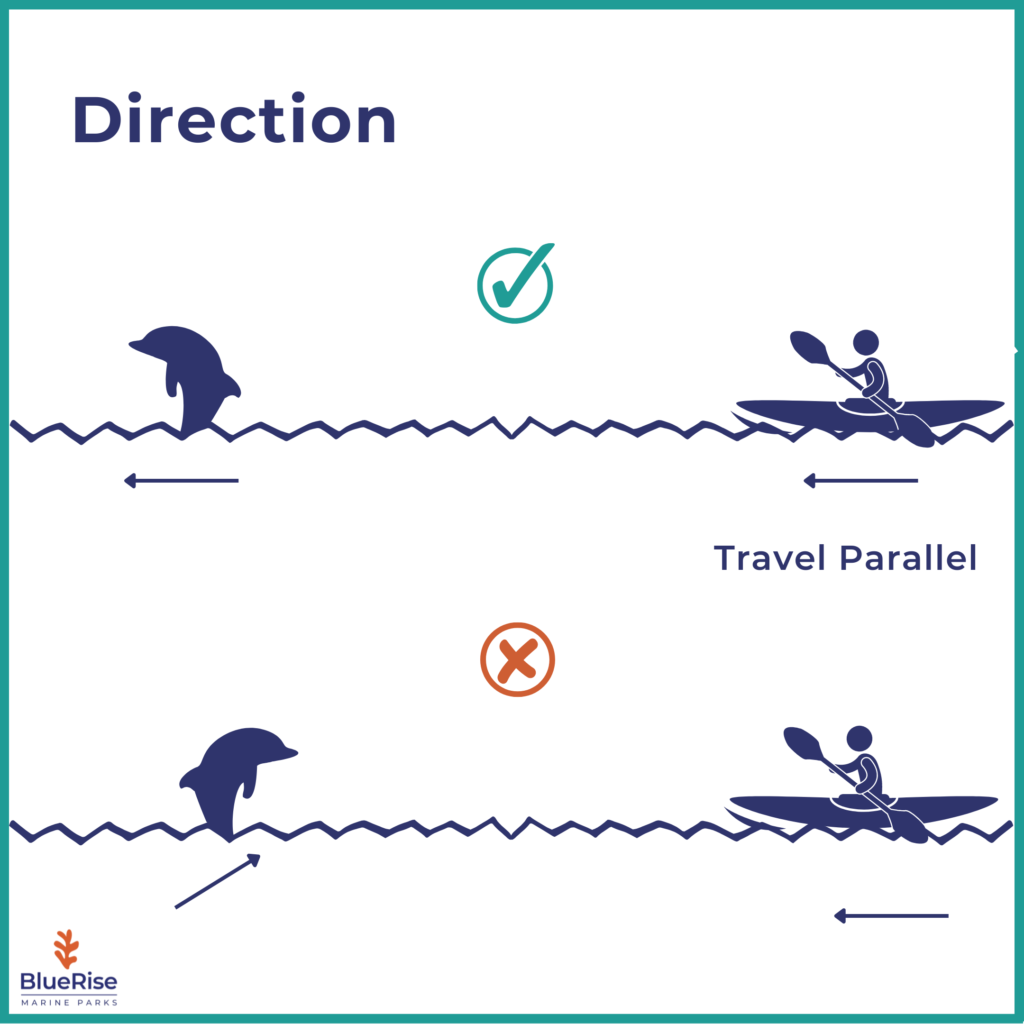
  • Boats should move parallel to pods of whales and dolphins, and never split groups.
  • Safe minimum distances should be respected.
  • It’s important to be aware of where animals are in relation to the boat, to minimise the danger of accidents.
  • To minimise disturbance to whales and dolphins, sonar and other acoustic systems should be switched off when approaching them.
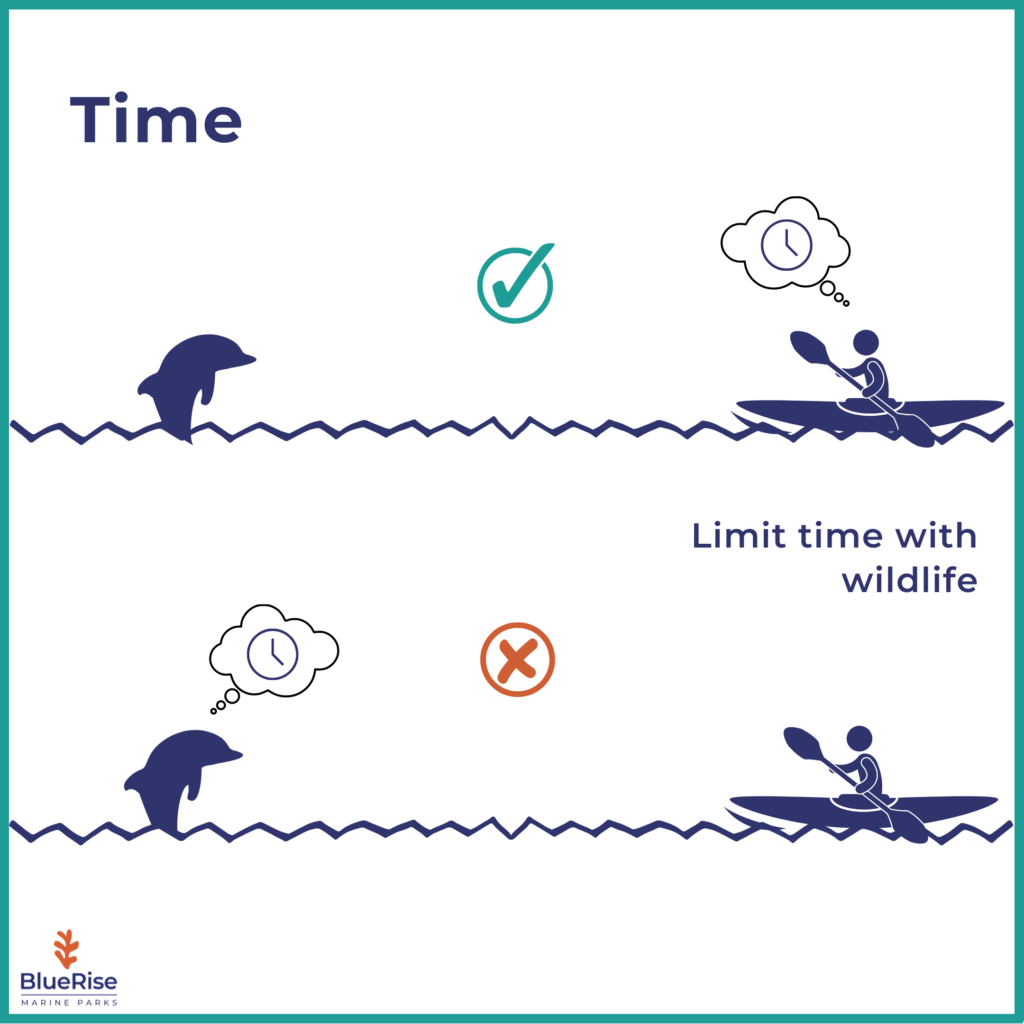
  • Boat captains should limit the length of each encounter – and how often individuals are approached.
  • Never touch or feed any sea creature, even if they come right up to the boat.
  • Leaving a sighting should be done as carefully as the initial approach.

Because of the damage that anchors can cause, this deserves a special mention:

  • Anchors should only be dropped in designated areas.
  • Anchors and chains should never be dragged across the seabed.
  • Ideally, mooring buoys should be used – these are fixed anchor points that only need to be installed once.
03.

Fishing and Flyfishing

Practising Sustainable Fishing

Fishing and flyfishing provide unique opportunities to connect with marine ecosystems and appreciate the diversity of species that inhabit them. However, anglers must fish responsibly to avoid placing unnecessary pressure on fish populations and sensitive habitats.

Following local regulations, size limits, seasonal closures, and catch restrictions helps maintain healthy fish stocks for future generations. Sustainable fishing practices support conservation efforts while maintaining the recreational and economic benefits of fishing.

Reducing Stress on Fish and Wildlife

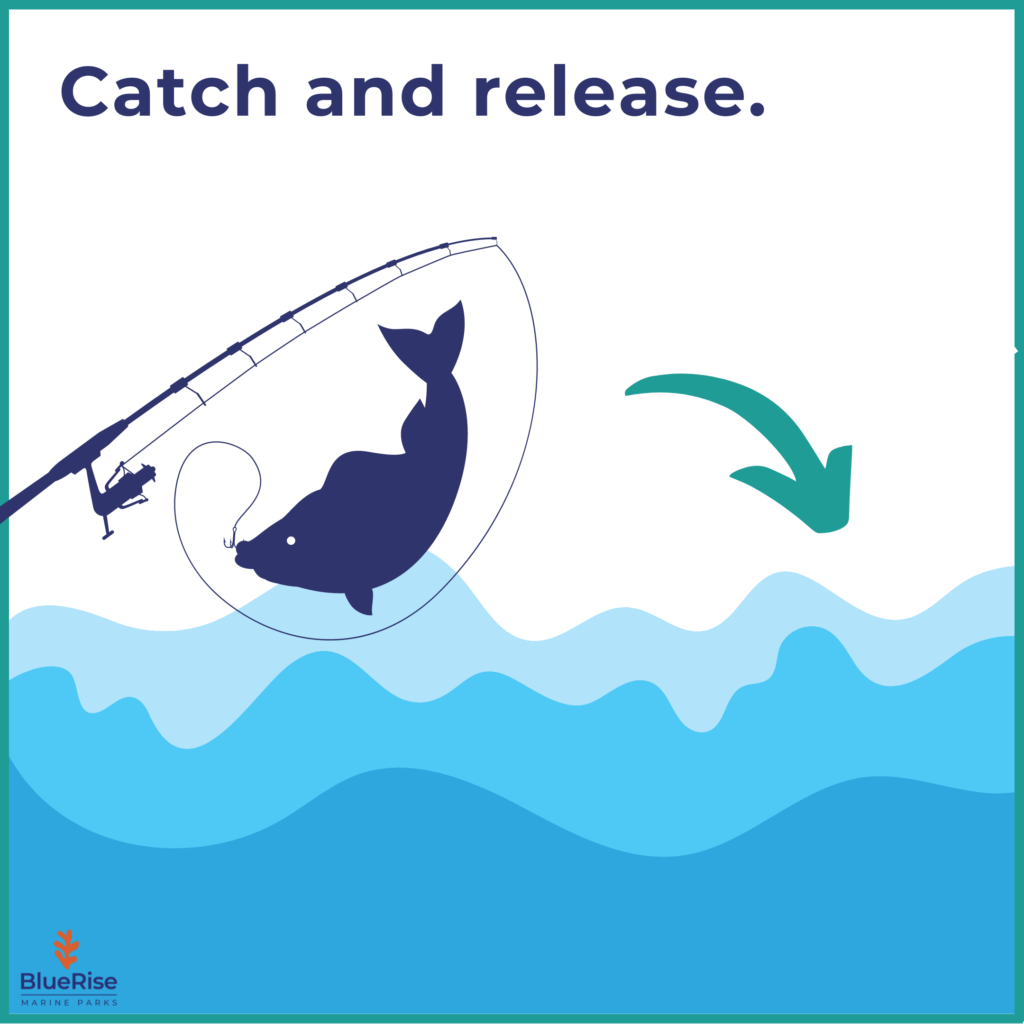
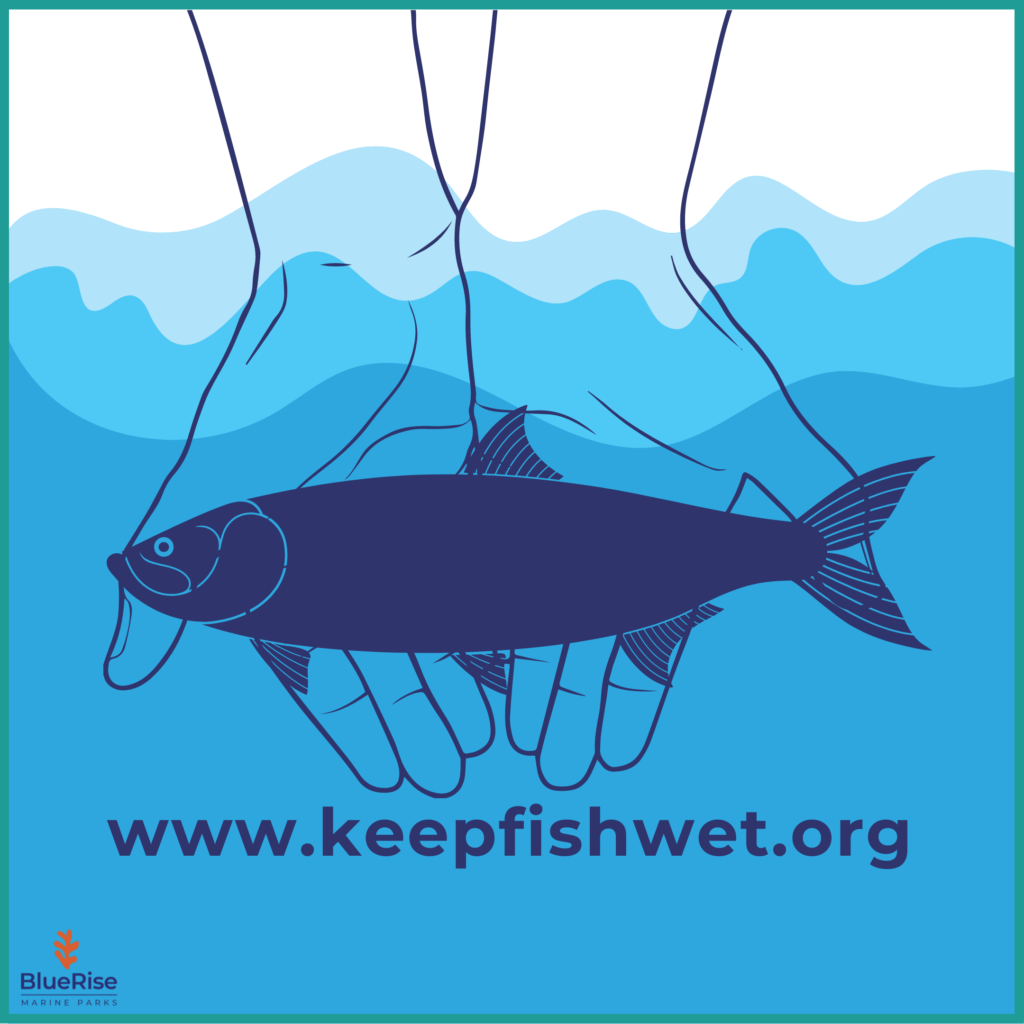
When regulations allow catch-and-release fishing, proper handling techniques become essential. Anglers should land fish quickly, handle them with wet hands whenever possible, and return them to the water promptly to improve their chances of survival.

Excessive handling, keeping fish out of the water for photographs, or using inappropriate equipment can cause unnecessary stress and injury. Responsible anglers prioritize fish welfare and minimize disturbance to surrounding wildlife.

Protecting Marine Habitats

Fishing activities can affect more than just fish populations. Anchors, discarded fishing line, hooks, and other gear can damage coral reefs, seagrass beds, and other important marine habitats.

Visitors should dispose of fishing waste properly and avoid leaving equipment behind. By respecting protected areas and fishing responsibly, anglers can help preserve marine ecosystems while continuing to enjoy world-class fishing experiences.

© Turneffe Island Resort

Blurise-Marine-Parks_Responsible-travel_Fishing_1
Blurise-Marine-Parks_Responsible-travel_Fishing_2
Blurise-Marine-Parks_Responsible-travel_Fishing_3

Why best practice is important

Reduced fish populations lower biodiversity and weaken marine ecosystems. When overfishing removes key species, those species can become rare, making the area less appealing to future travellers and reducing income opportunities for local communities that rely on ecotourism.

Improper handling can injure fish and increase their risk of disease. Visitors can also disturb fish and their habitats when they approach fishing areas carelessly, whether by boat, kayak, or while wading. By using responsible fishing practices and moving carefully through marine environments, anglers can help protect wildlife and support healthy ecosystems.

  • Always comply with local laws and regulations relating to fishing areas, seasons and catch size.
  • Ensure you have the necessary fishing licences and permits, if required.
  • Always practice catch and release.
  • Follow the Keep Fish Wet guidelines with every catch.
  • Be especially vigilant in marine protected areas.
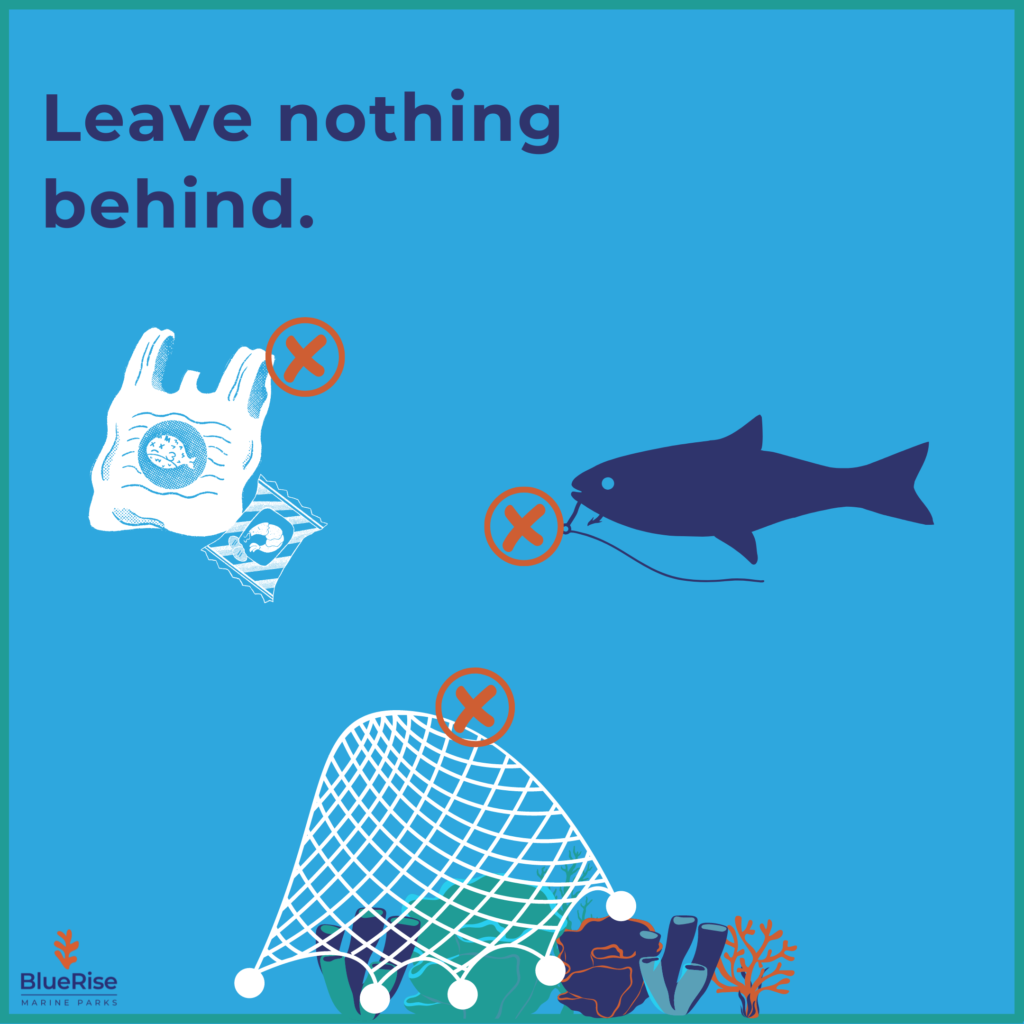
  • Account for all your line, flies & tackle, and leave nothing behind.
  • Don’t throw organic bait into the water – this can alter feeding habits.
  • Never drop litter in the ocean.
  • Take home everything you brought with you.
  • Approach fishing areas carefully to avoid disturbing fish and their habitats.
04.

Eating Seafood and Buying Souvenirs

Making Responsible Seafood Choices

Coastal communities often depend on the ocean as an important source of food and income. During your visit, you may have the opportunity to enjoy local seafood dishes and experience traditional coastal cuisine.

However, the choices travelers make can directly influence marine ecosystems. Some seafood products come from species that are overfished or harvested using unsustainable methods. Choosing responsibly sourced seafood helps reduce pressure on vulnerable marine populations and supports long-term conservation efforts.

Why Living Marine Life Has Greater Value

A key principle of responsible travel is ensuring that marine species are worth more alive than dead. Healthy fish populations, coral reefs, turtles, sharks, and other marine wildlife support tourism, biodiversity, and ecosystem health.

When wildlife is valued primarily for consumption or commercial products, economic incentives can encourage overharvesting. Over time, excessive fishing pressure may reduce populations of popular species and disrupt the natural balance of marine ecosystems.

Avoiding Unsustainable Souvenirs

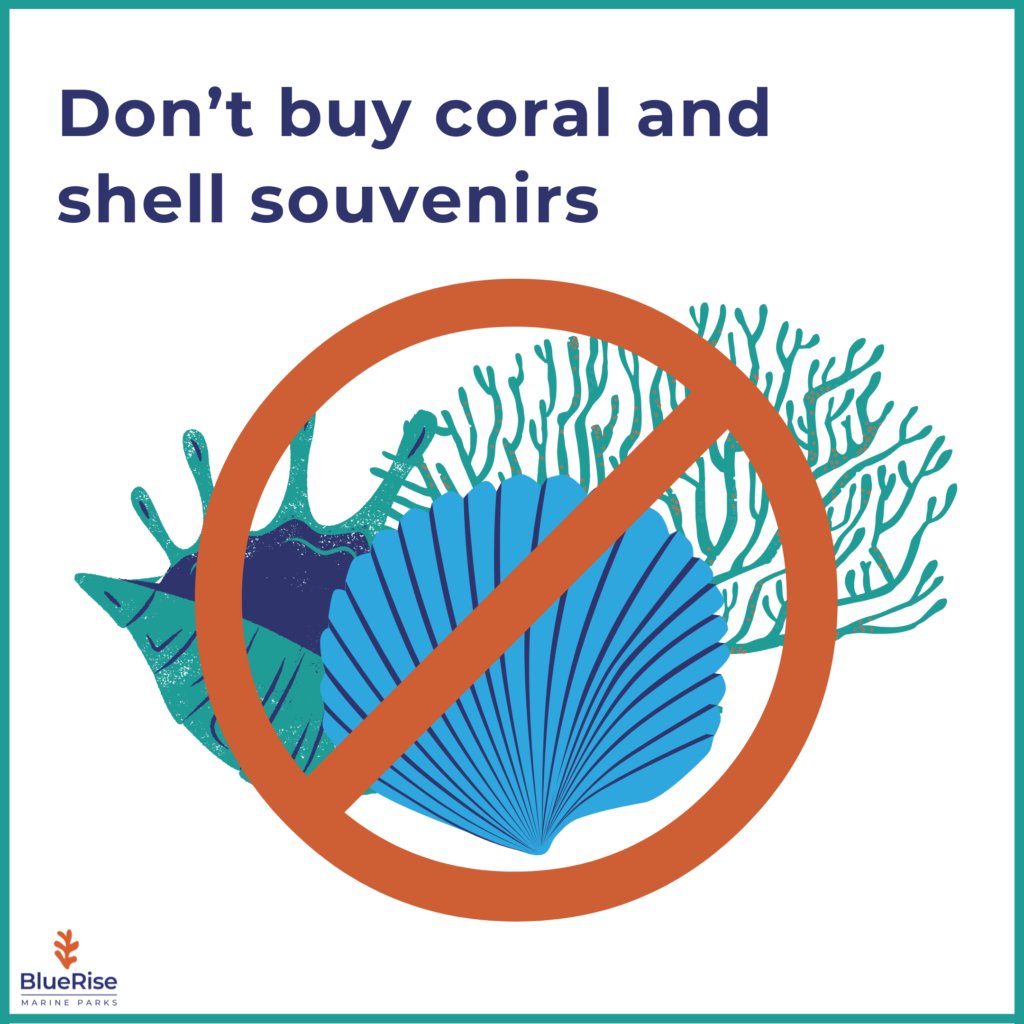
Local markets may offer souvenirs made from shells, coral, or other marine materials. While these items may appear harmless, their collection can contribute to habitat degradation and the removal of important natural resources.

Visitors can help protect marine environments by avoiding products made from coral, protected species, or other wildlife-derived materials. Supporting sustainable local crafts instead provides economic benefits to communities without harming the ecosystems that make these destinations special.

By making thoughtful purchasing decisions, travelers can help create demand for conservation-friendly products and encourage sustainable practices throughout coastal communities.

Blurise-Marine-Parks_Responsible-travel_Shopping-Eating_1
Blurise-Marine-Parks_Responsible-travel_Shopping-Eating_2

Why best practice is important

Marine wildlife is worth more alive! Biodiversity is essential for long-term sustainability of ecosystems, and selective harvesting and overfishing directly impact the numbers and variety of species in an area.
Illegal fishing can cause irreparable damage to reefs, and ultimately lead to a loss of livelihoods for coastal communities.

The decisions you make can cause a virtuous circle of positive consequences. If you reject the chance to eat or purchase vulnerable species, there is less chance that future travellers will be offered the same things. Biodiversity will be maintained, and localised extinctions will be avoided.

Souvenirs made from certain species could be illegal in your home country, so you risk having them confiscated at the airport. You could also receive a heavy fine.

  • Get educated – learn which species are okay to eat, and which you should avoid.
  • Vote with your wallet – don’t buy vulnerable or endangered species.
  • Ask yourself if you really need a souvenir made from coral, turtle shells or seashells.

Guidelines on the Feeding of Wildlife within the Turneffe Atoll Marine Reserve (TAMR)

Protecting the delicate ecosystem of the Turneffe Atoll Marine Reserve is a shared responsibility. To ensure the long-term health of our marine environment and the safety of all guests, we have established clear guidelines regarding wildlife interactions.

Under these guidelines, the intentional feeding or chumming of any wildlife;including fish, sharks, rays, turtles, and crocodiles-is strictly prohibited throughout the reserve. This is done to prevent unpredictable animal behavior, protect natural foraging habits, and maintain the critical balance of our coral reef ecosystem.

Both visitors and tour operators play a vital role in upholding these standards. We ask everyone to observe marine life from a respectful distance and avoid any practices that condition wild animals to associate humans with food.

We invite you to read the complete policy to fully understand the rules and learn how you can help us keep Turneffe Atoll wild, safe, and thriving.

Discover more

Proceed Booking

Subscribe to our mailing list today

This field is for validation purposes and should be left unchanged.