Turneffe Atoll Ecosystems

Discover the Ecosystems within Belize’s Largest and Most Significant Marine Reserve

01.

Ecosystems

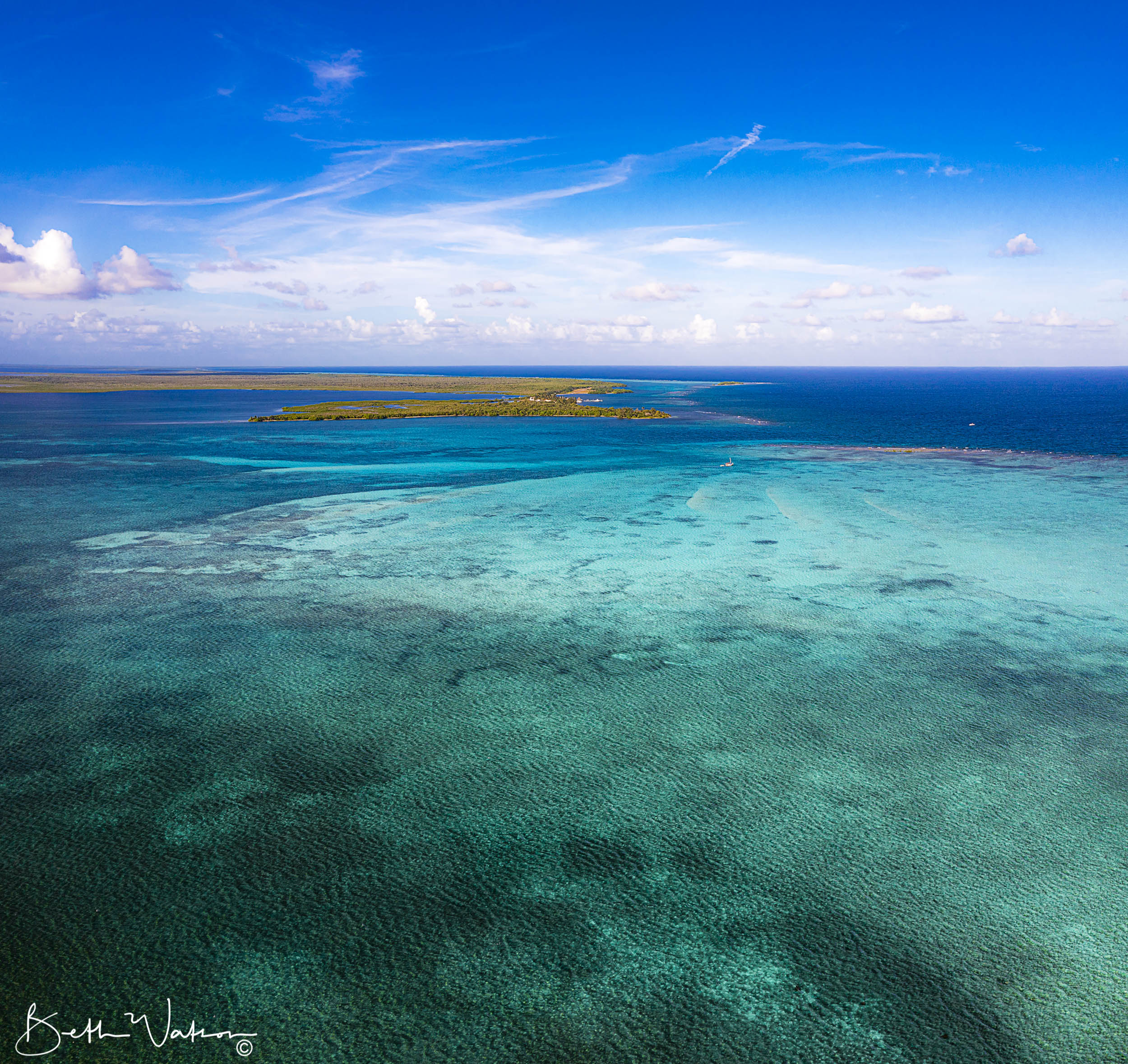
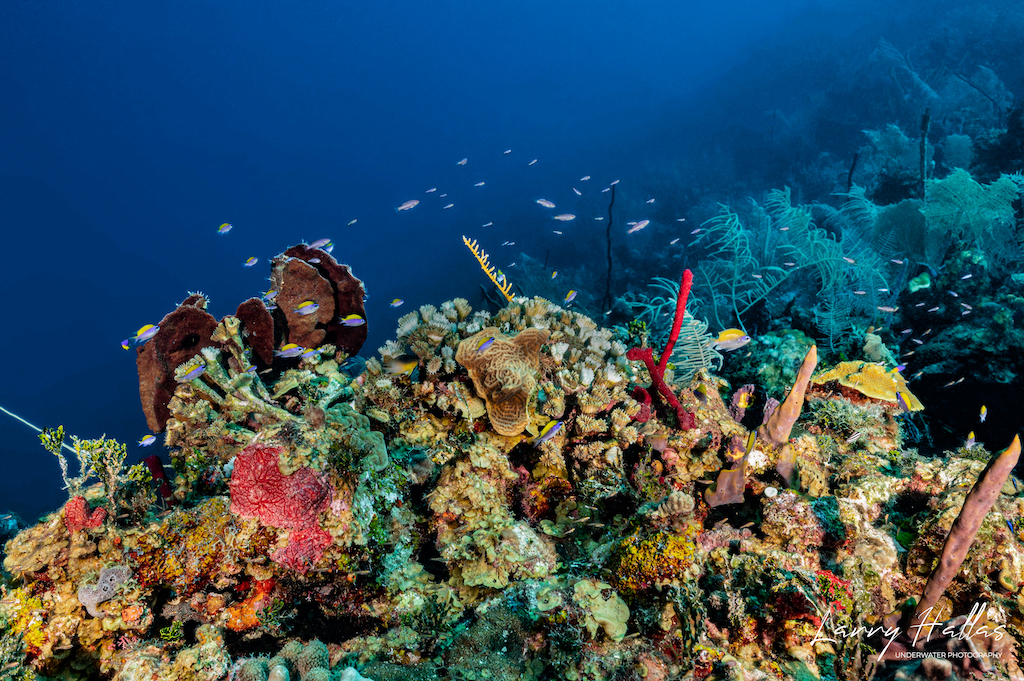
Turneffe Atoll Ecosystems are among the most pristine and ecologically important within the Mesoamerican Reef System. The atoll supports a remarkable diversity of marine and terrestrial habitats that are recognized as globally significant.

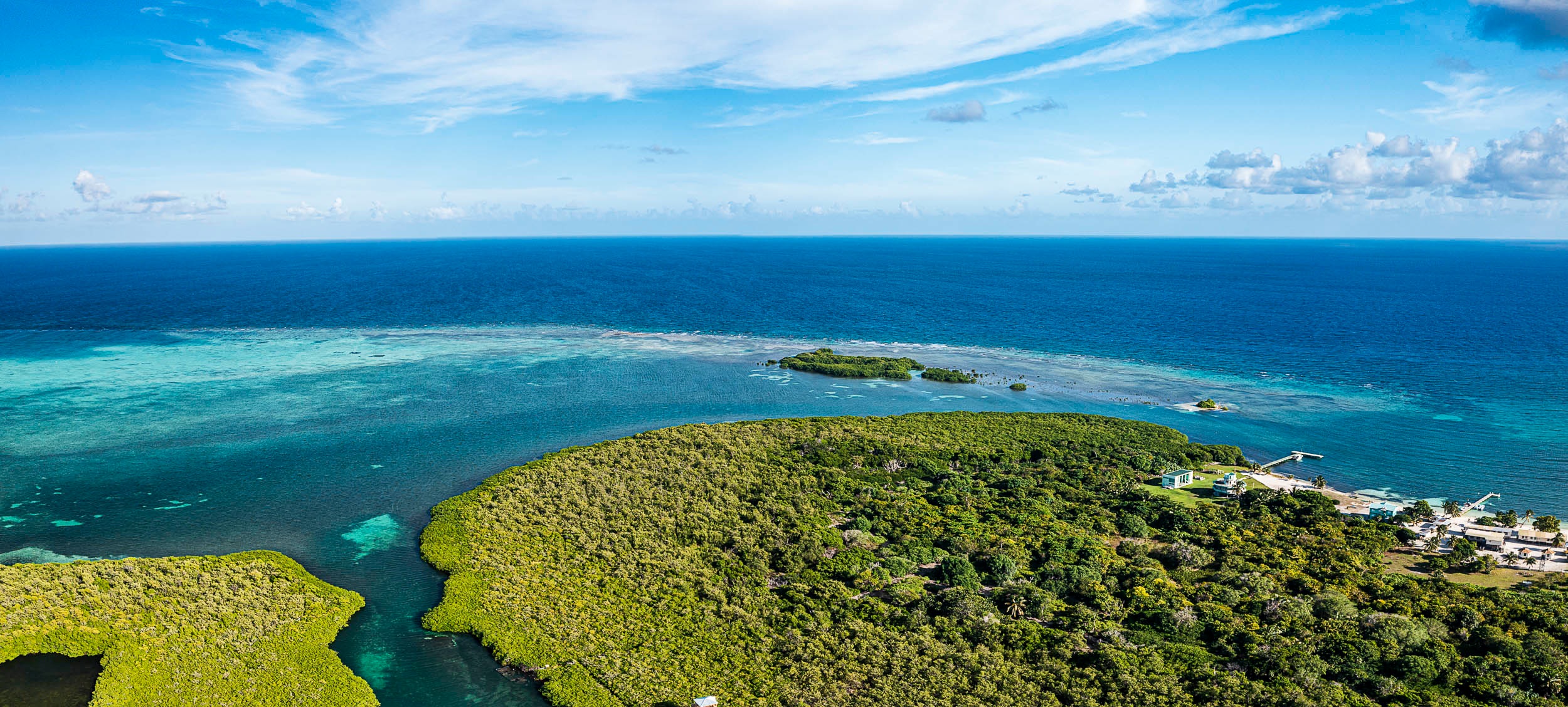
Surrounded by deep ocean waters, Turneffe Atoll contains a wide range of coastal and marine environments. Researchers have identified and mapped seven broad ecosystems and thirteen distinct ecosystem types throughout the atoll.

Furthermore, Turneffe is an excellent example of ecosystem connectivity. Coral reefs, seagrass beds, and mangrove forests exist in close proximity and work together to support a healthy and productive reef system. As a result, these interconnected habitats provide critical nursery areas, feeding grounds, and shelter for a wide variety of marine species.


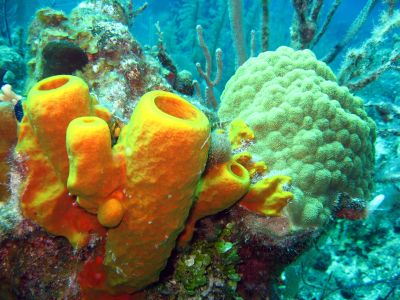
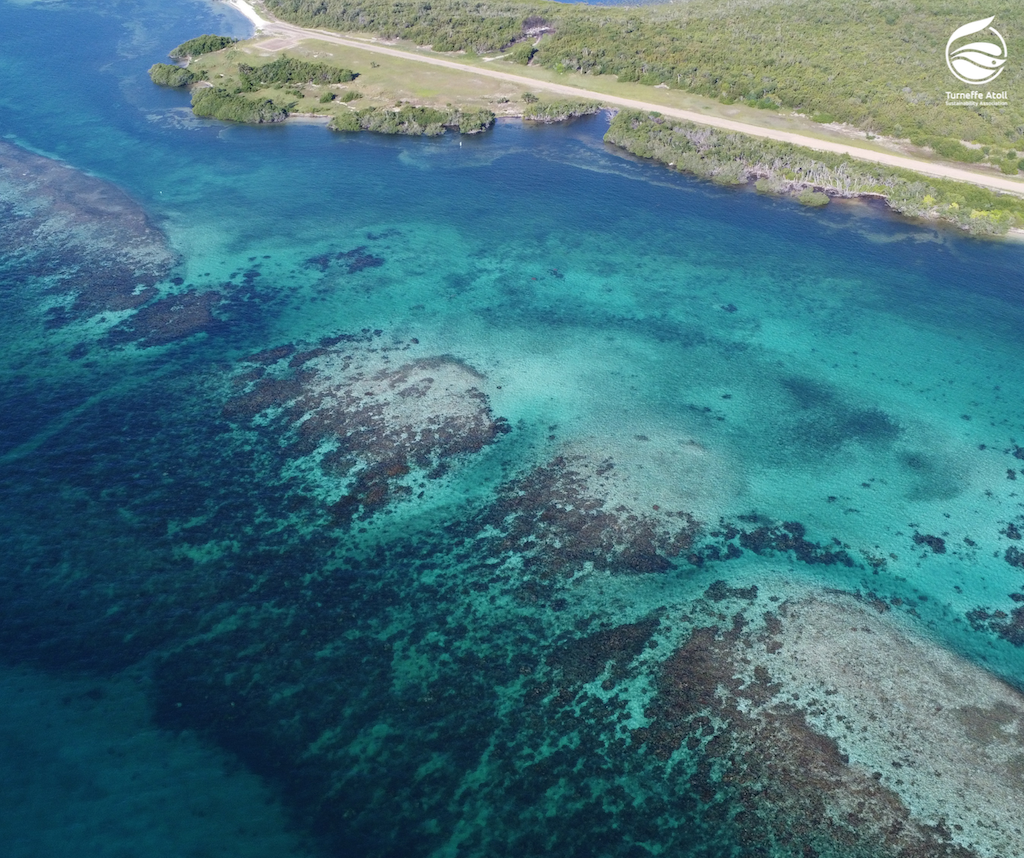
Coral Reef


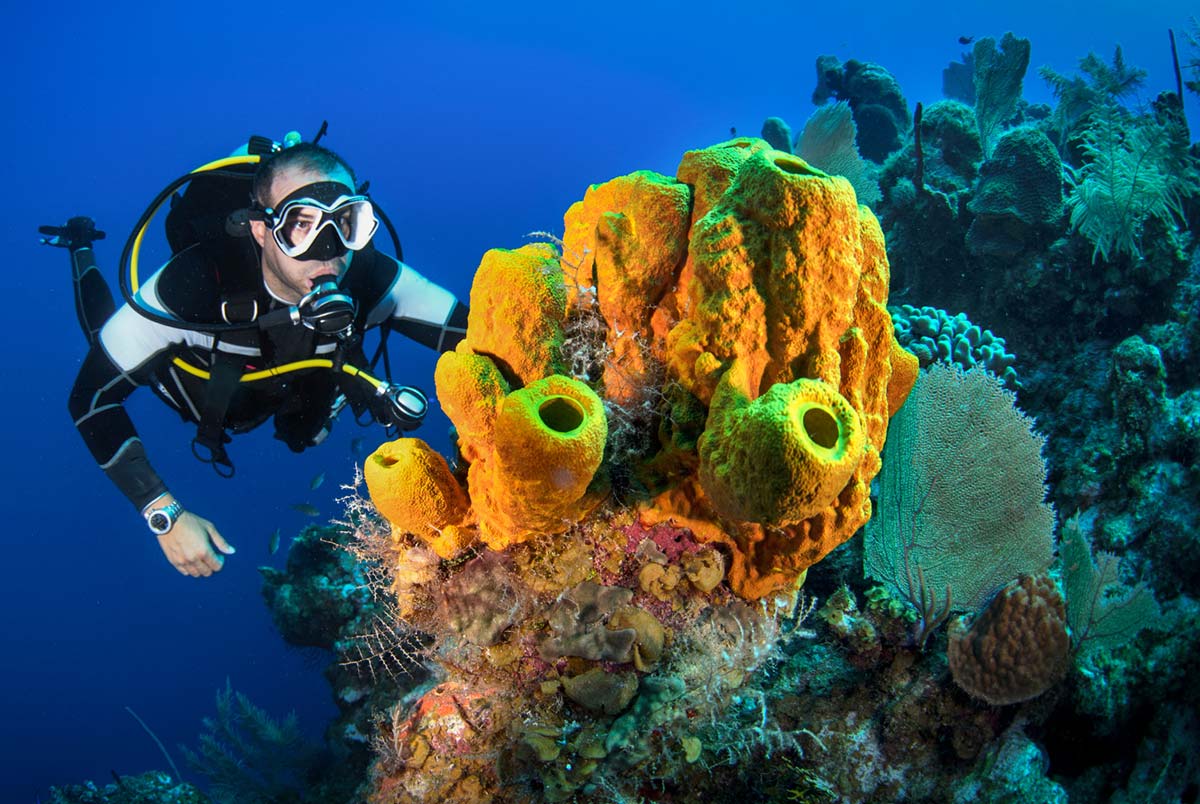
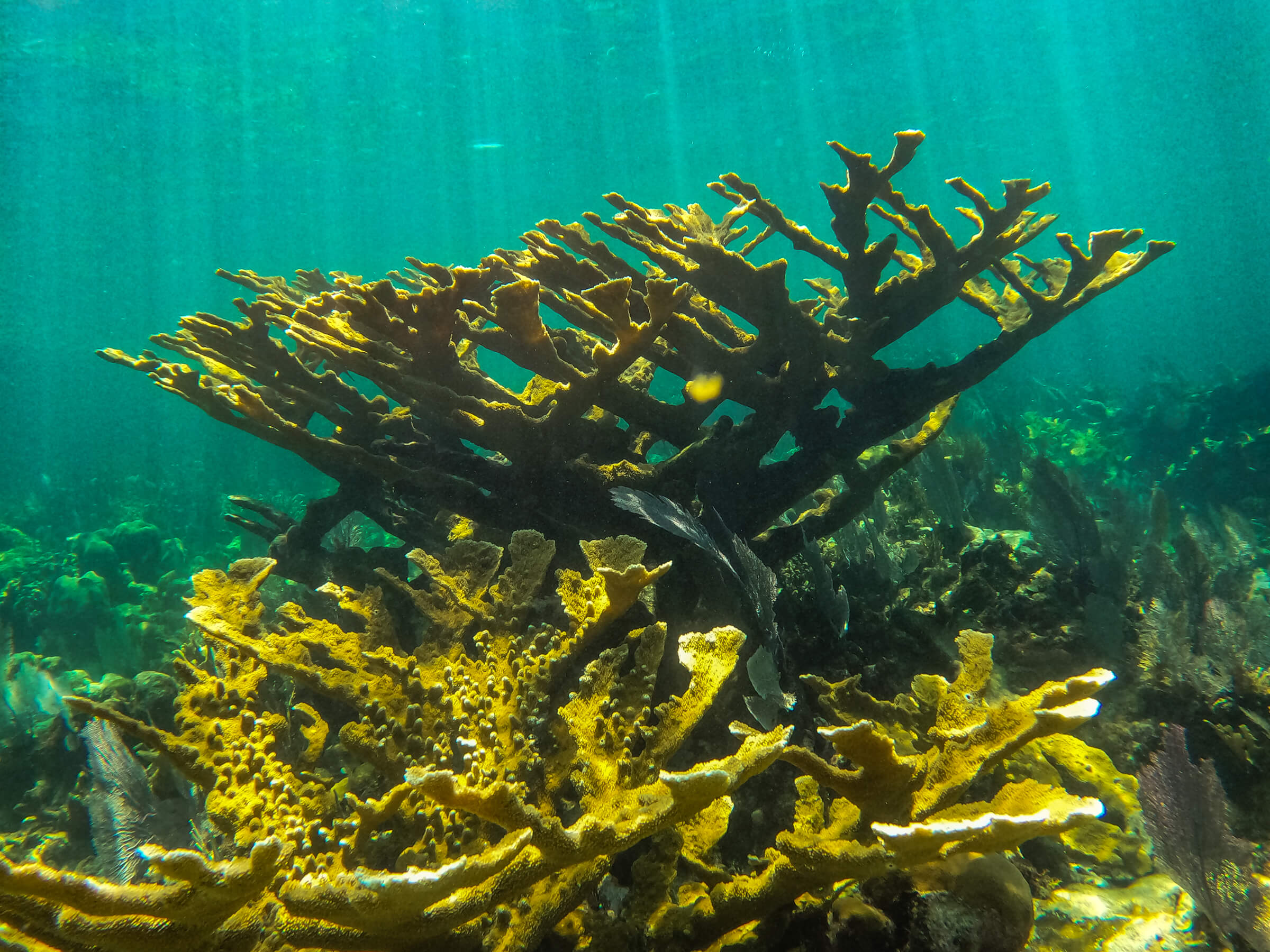
Even though land-based impacts are minimal and water clarity remains high, the percentage of live coral at Turneffe has declined significantly over the last twenty years. As a result, the reef continues to face many of the same challenges affecting coral ecosystems worldwide.

These declines are linked to several factors, including climate change, overfishing, pollution, and siltation caused by dredging activities. In addition, coral bleaching events have become more frequent across the region.

Since Belize experienced a major coral bleaching event in 1998, bleaching has been recorded repeatedly at Turneffe Atoll. Furthermore, scientists believe that increasing ocean acidification, driven by higher CO₂ levels in the sea, may be worsening the impact of these events.


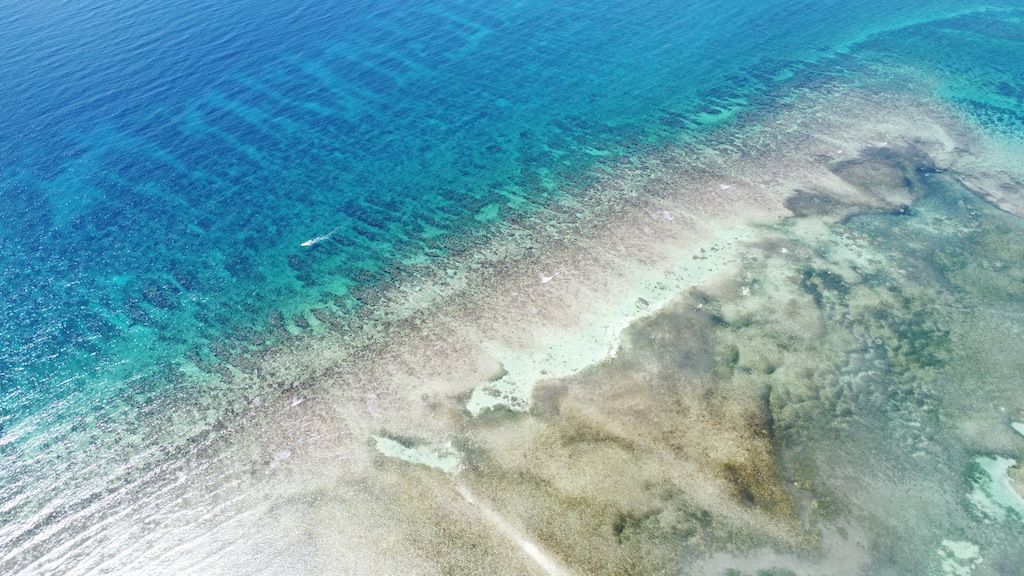
Backreef Flats

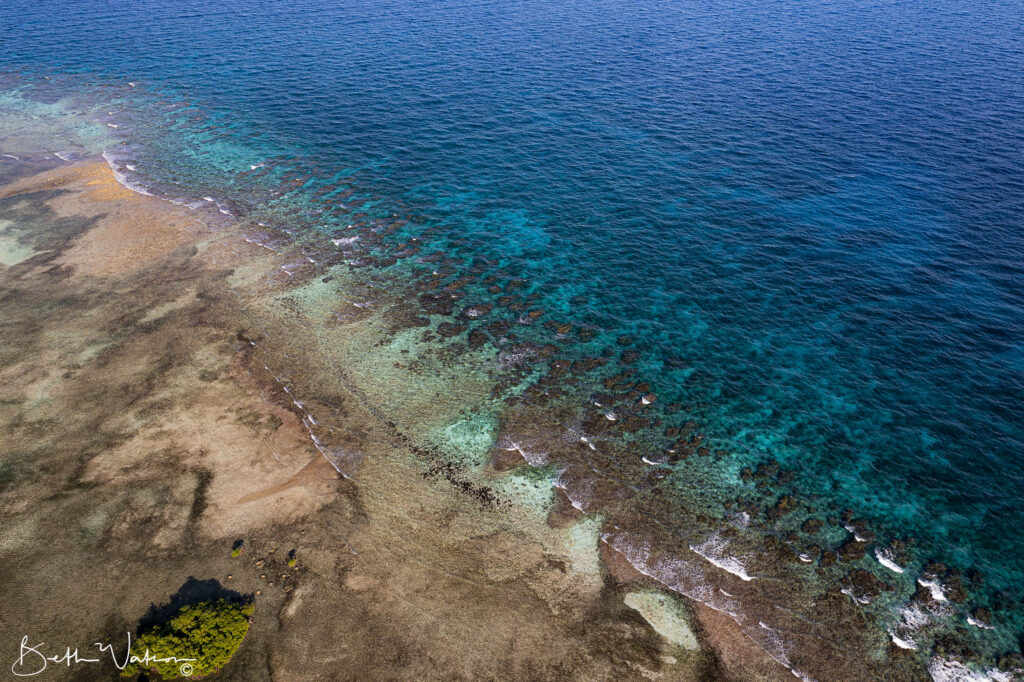
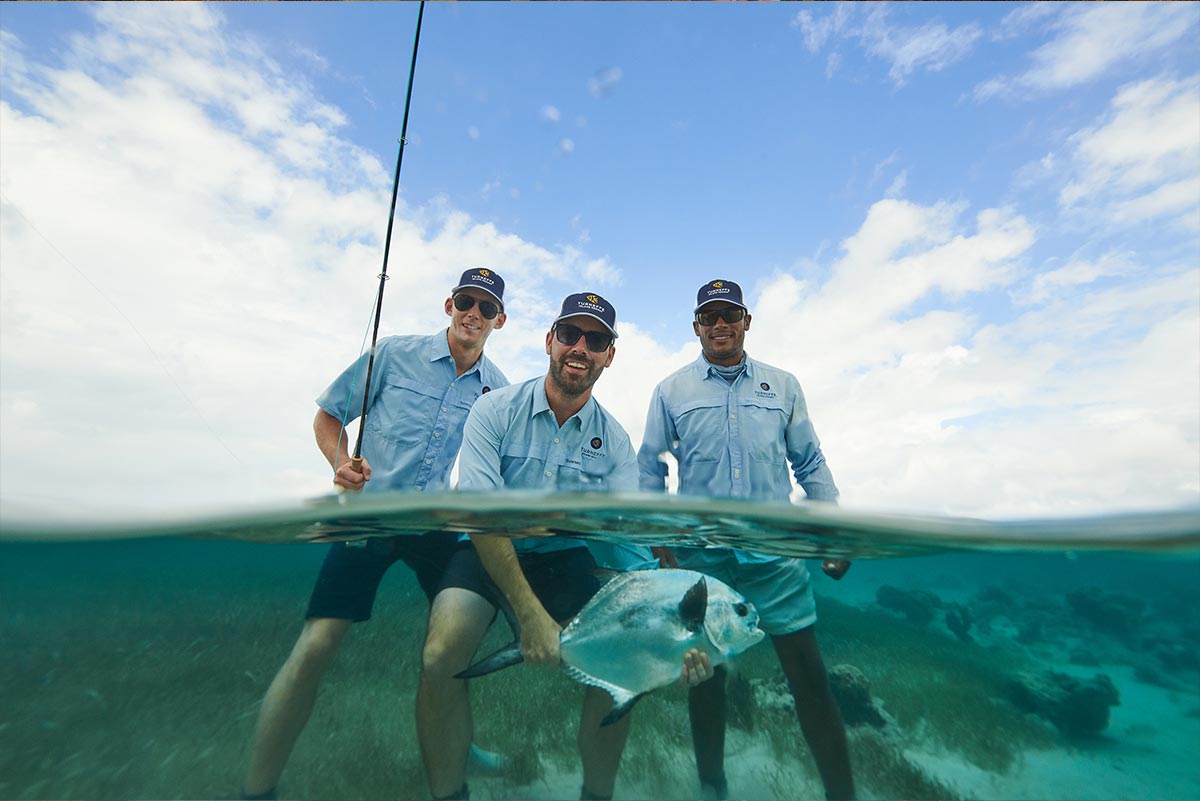
Behind the reef crest along the eastern extent of the Atoll, extensive, firm-bottom back reef flats stretch from the north end of Northern Caye nearly to the southernmost tip of the atoll. Turneffe’s back reef flats are key nursery areas for queen conch and are highly regarded by sports fishermen as one of the best places world wide to fly fish for bonefish and permit.

DJI_0098-Edit

Seagrass

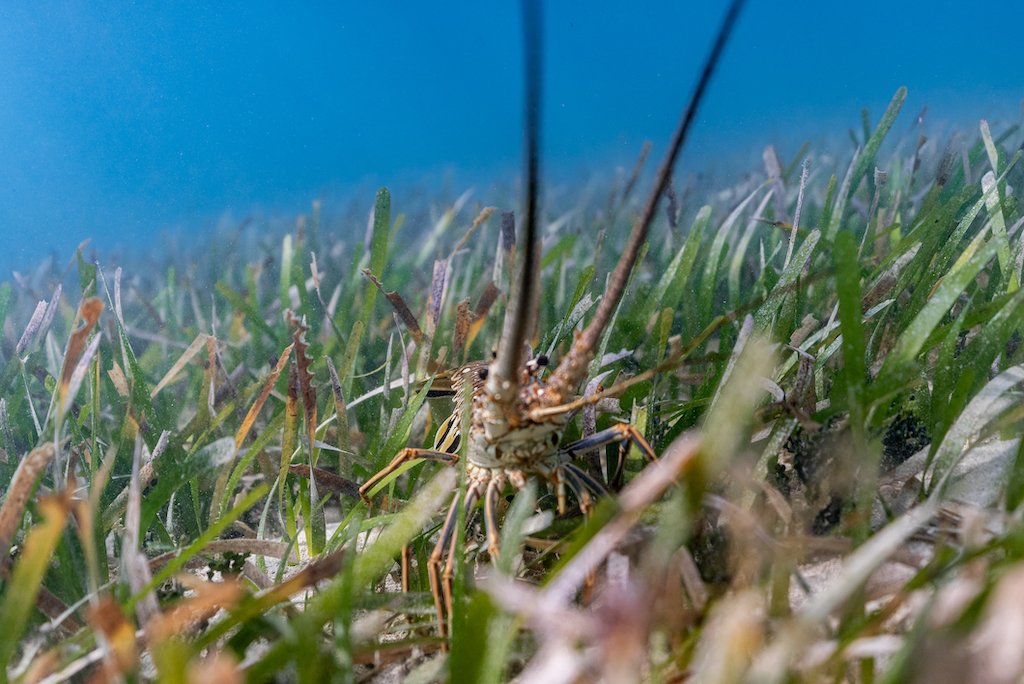
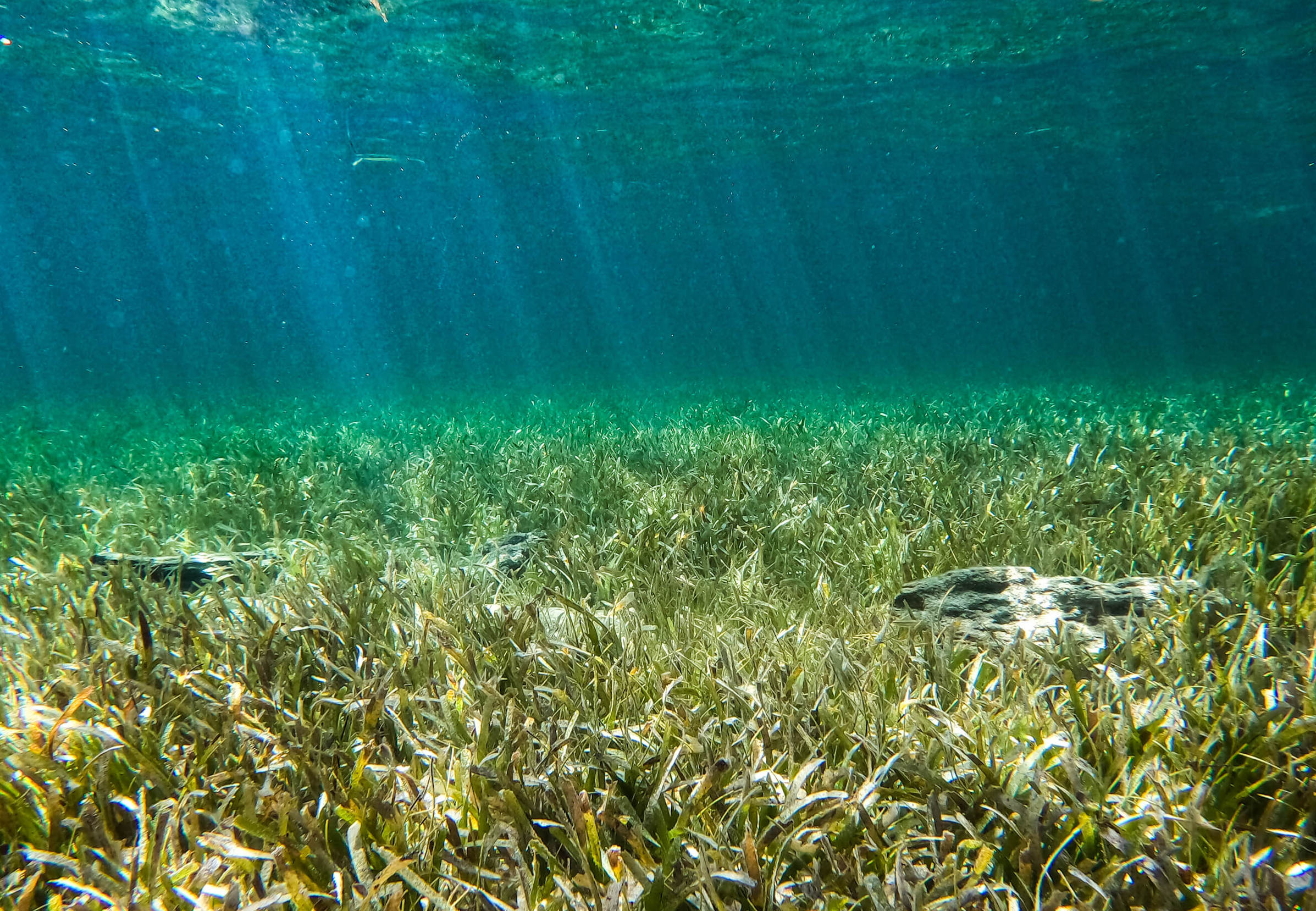
The seagrass beds of Turneffe are critical for the maintenance of ecosystem connectivity providing the link between the reef and the mangroves. These seagrass meadows stretch from the reef crest across the back reef and through the Central and Northern Lagoons, providing stabilization to the sediments of the sea bed and helping to maintain some of the most productive lobster grounds in Belize. While composed primarily of Turtle Grass (Thalassia testudinum), the finer Manatee Grass (Halodule wrightii) and Shoal Grass (Syringodium filiforme) are also common. These seagrass beds support a resident population of west Indian manatees.

Many juvenile reef fish and invertebrates use the seagrass as an intermediate habitat including parrotfish, which are critical to the maintenance of a healthy reef. Queen conch also rely on seagrass by grazing on their leaf blades. Along with lobster, these large mollusks form the basis of Belize’s fishing industry.

Open Ocean

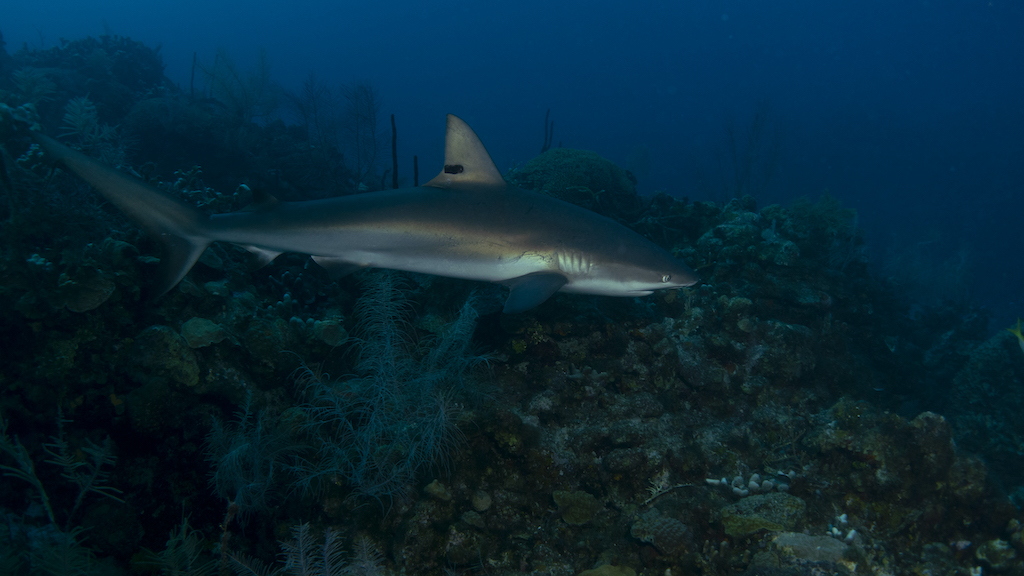
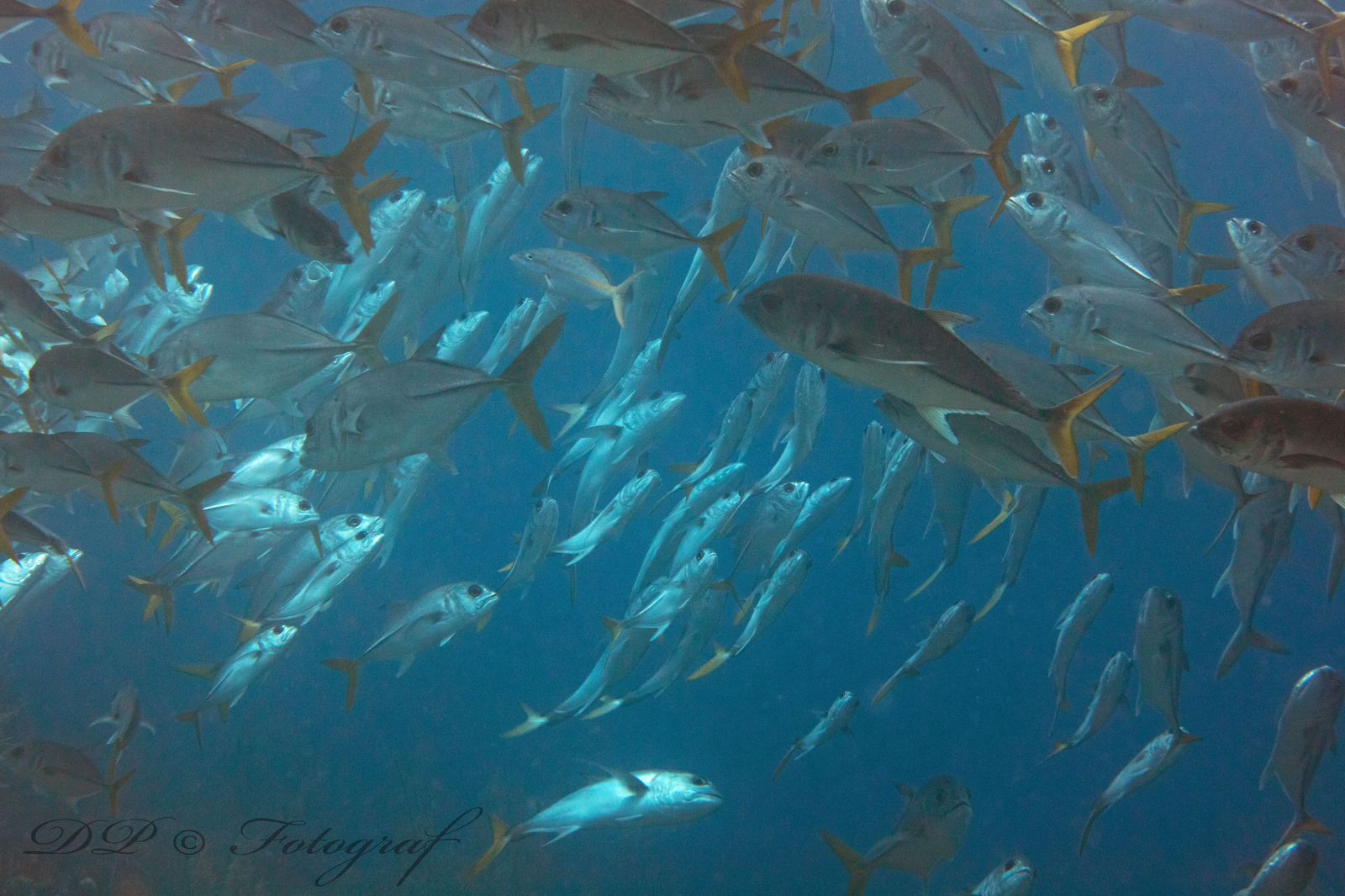
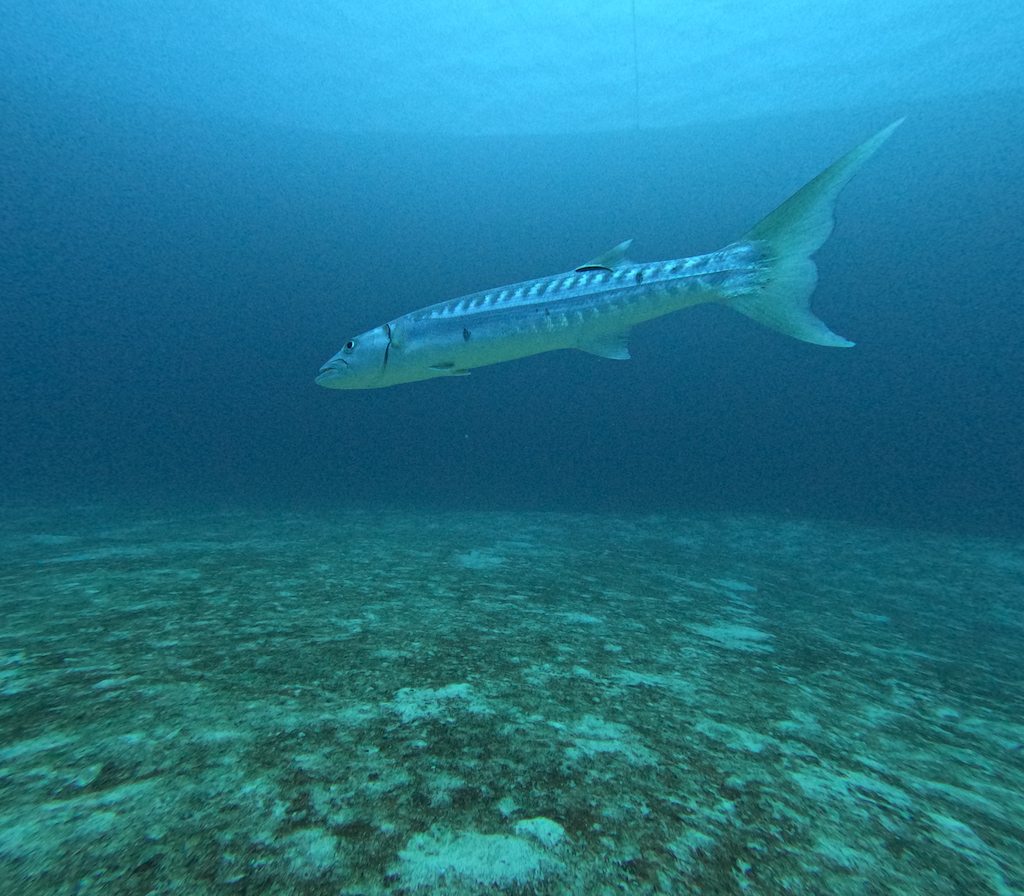
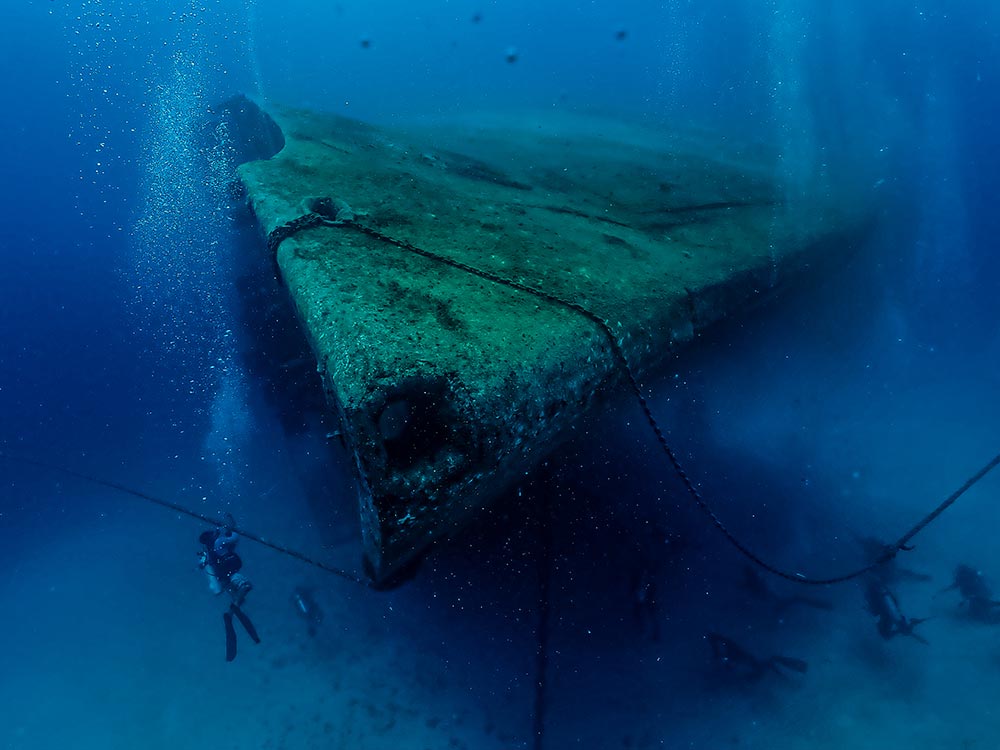
Turneffe Atoll sits on a ridge surrounded on all sides by a deep water with depths of up to 900 feet on the West side between Turneffe and the barrier reef, and 3300 feet on the East side between the Turneffe and Lighthouse Atoll. The deep waters along the eastern side of the atoll provide the currents and conditions required for spawning aggregations.

Here fish such as snapper and grouper gather in the thousands during the full moon. These sites also attract other species known to travel up and down in the deep waters parallel to the reef, including whale sharks, pilot and humpbacked whales and orcas.

DSC09047

Mangroves

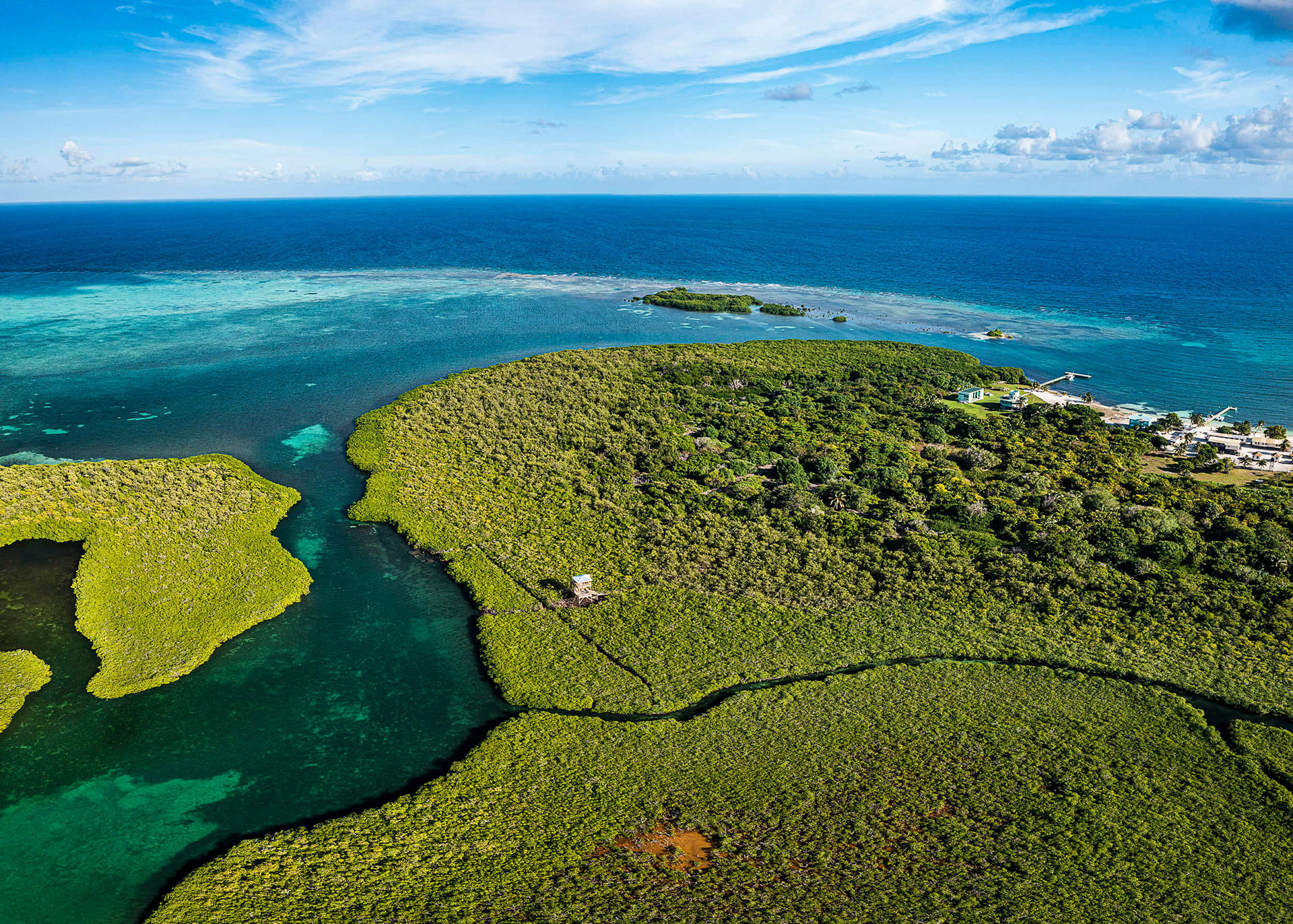
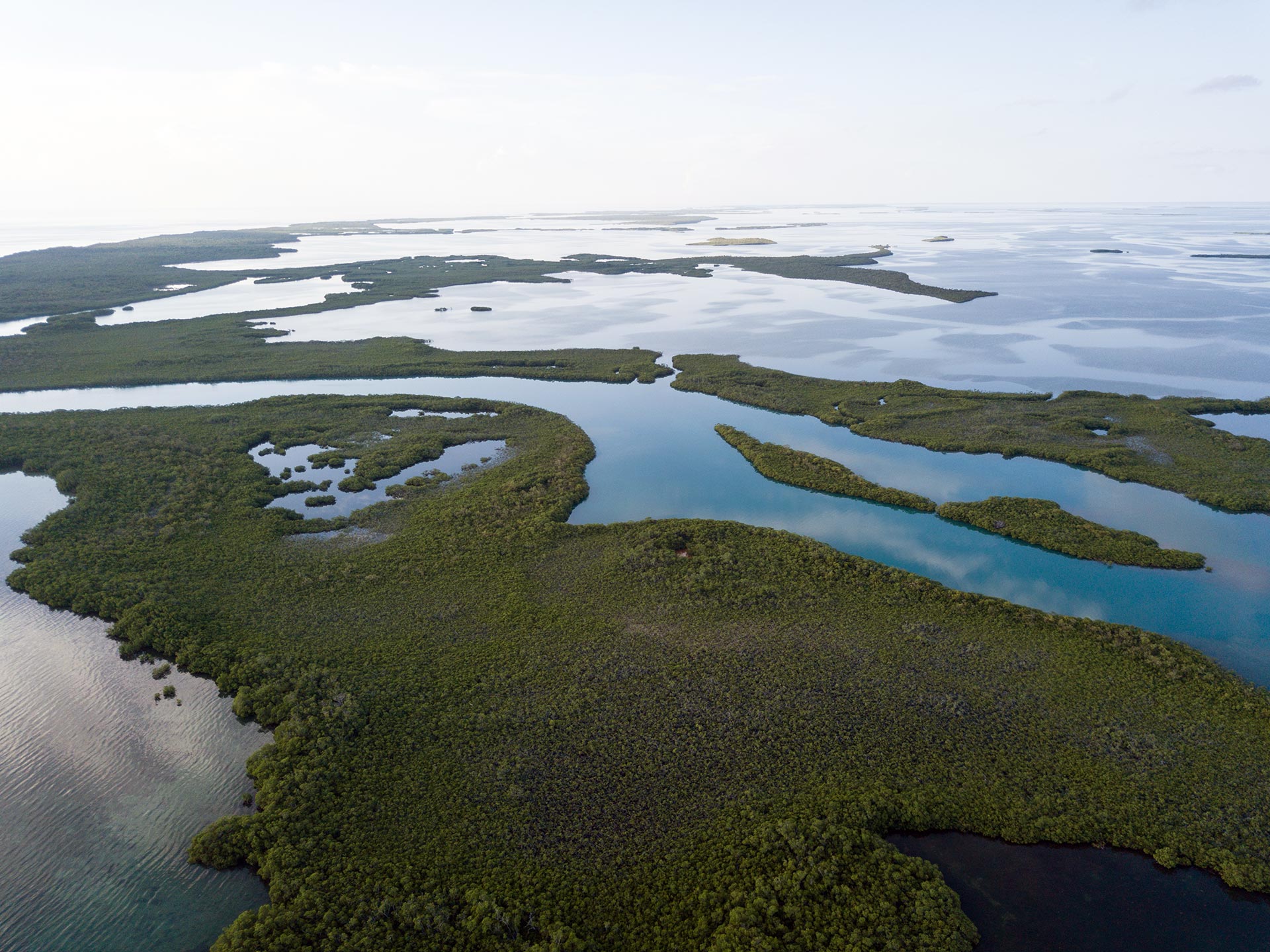
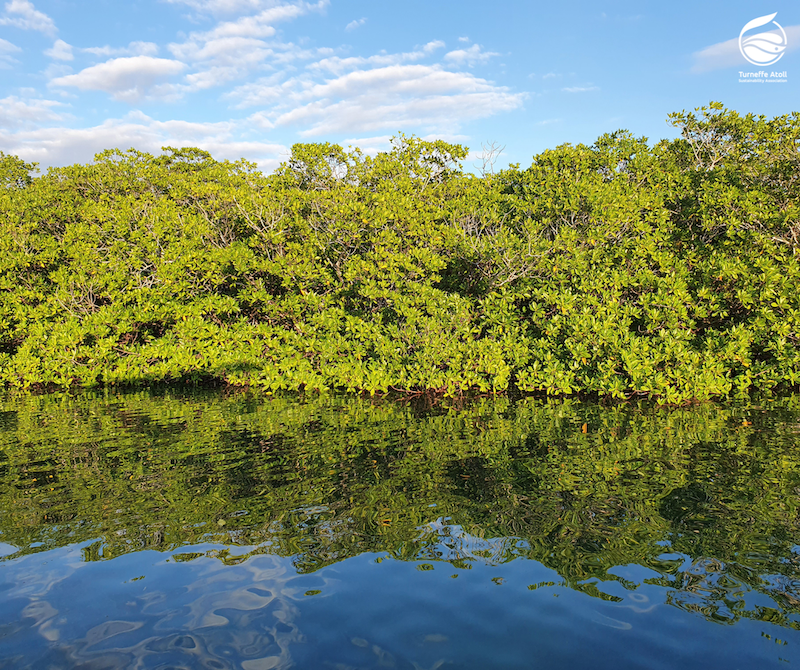
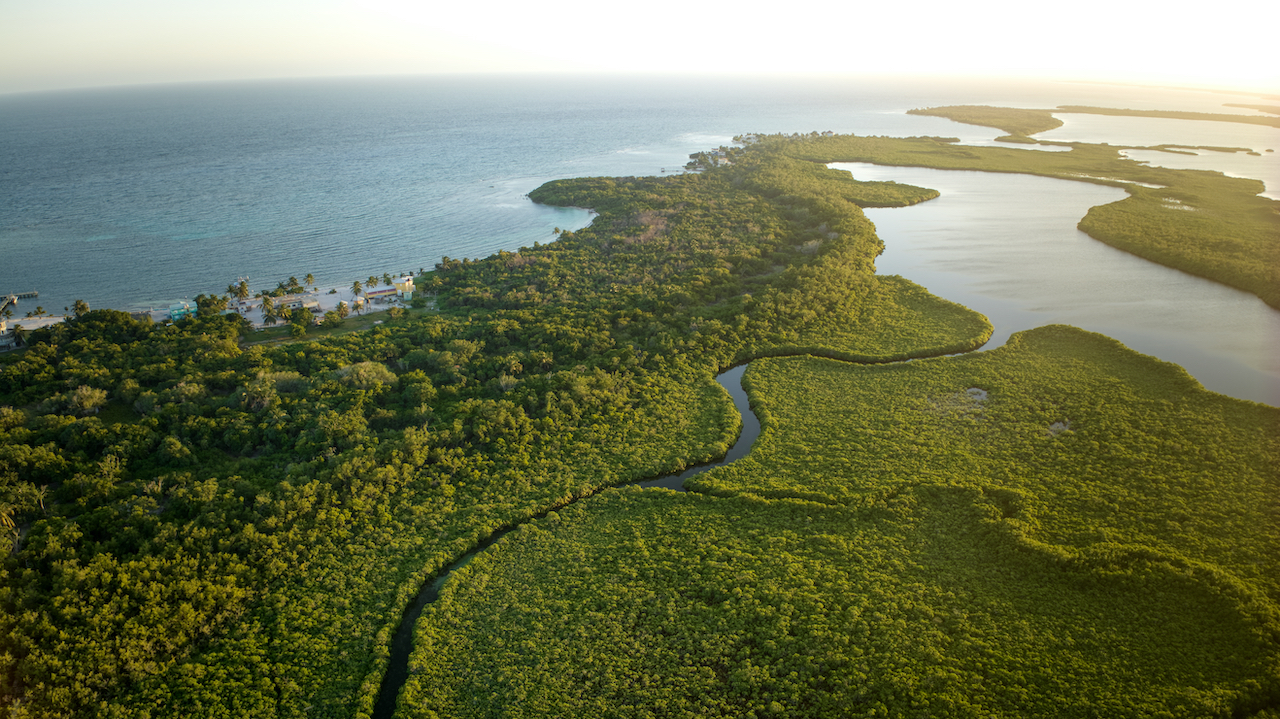
Mangroves provide key habitat requirements including shelter, food and nursery areas for a variety of marine species including the commercially important spiny lobster. Extensive mangrove stands cover 62% of the Central Lagoon at Turneffe. The almost unique topography of the Atoll has enabled the deep peaty soils to develop in shallow basins between the sea and the mixed mangrove scrub on its leeward side providing ideal conditions for mangroves to thrive.

Red mangroves (Rhizophora mangle) dominate with their arched roots reaching out into the clear waters providing protection for juvenile fish such as snapper and grouper, and breaking the force of rough waters during storm events to prevent the loss of cayes from erosion.

Black mangrove (Avicennia germinans) and white mangrove (Laguncalaria racemosa) stands are also well represented. They are set slightly back from the waters edge behind the red mangroves. Generally taller, these trees are well adapted to the saline soils and provide structure for nesting and roosting birds including herons, egrets, and osprey. Mangrove thickets also provide habitat for a multitude of smaller animals.

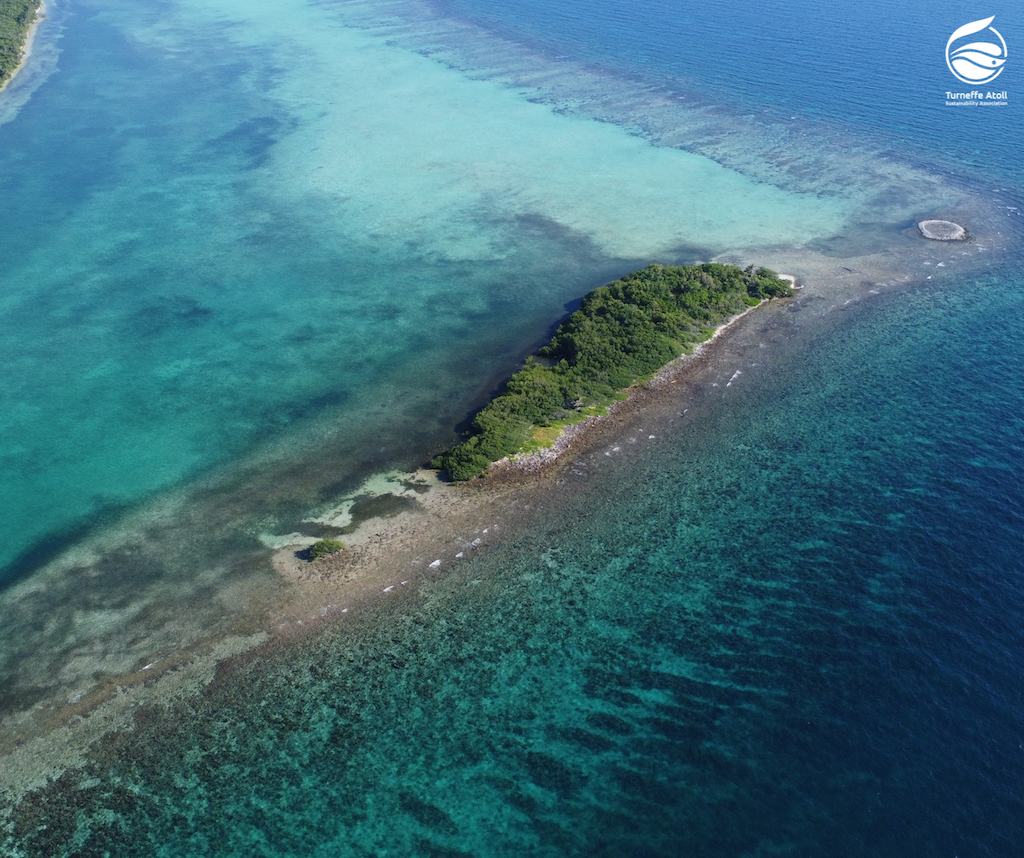
Littoral Forest

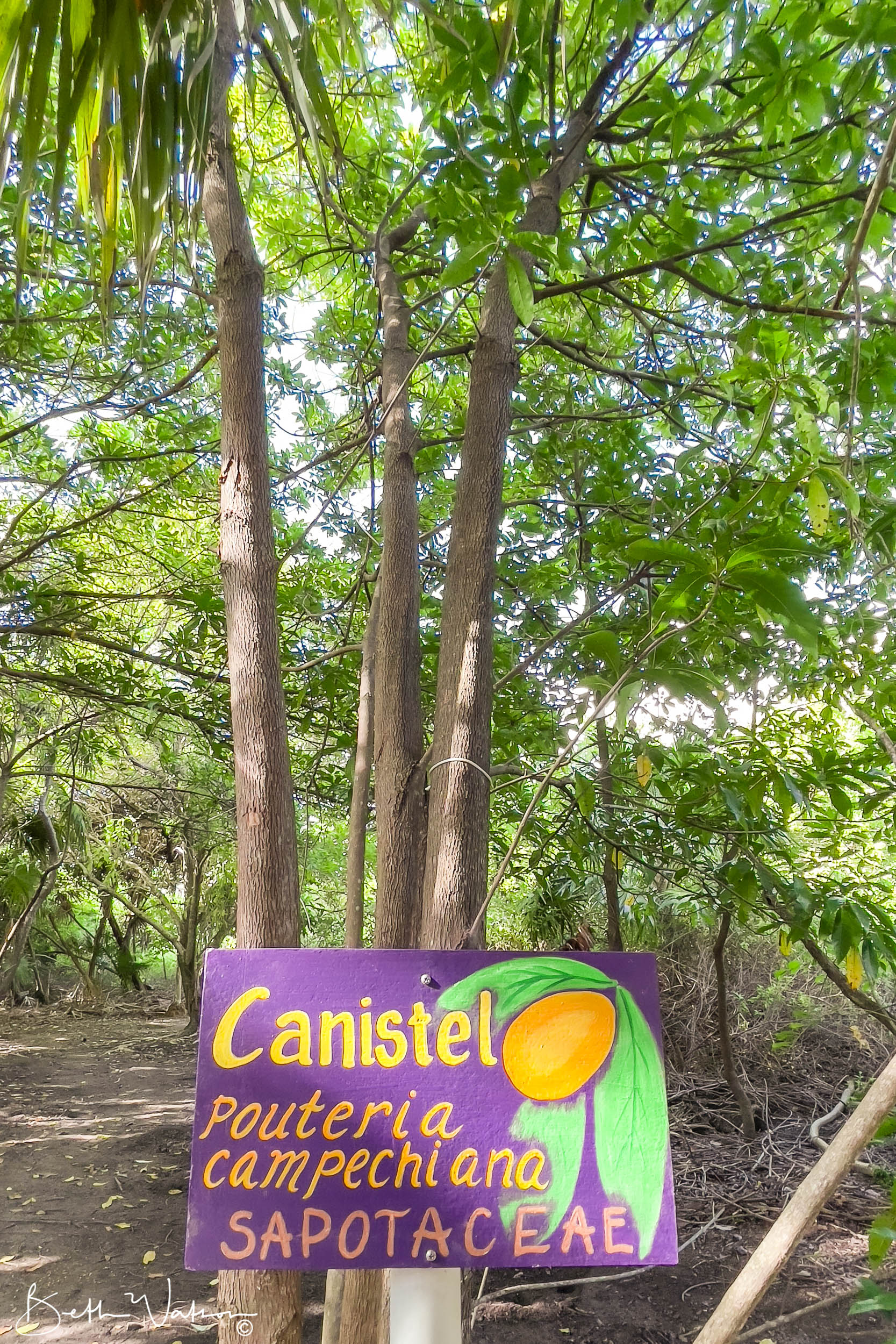
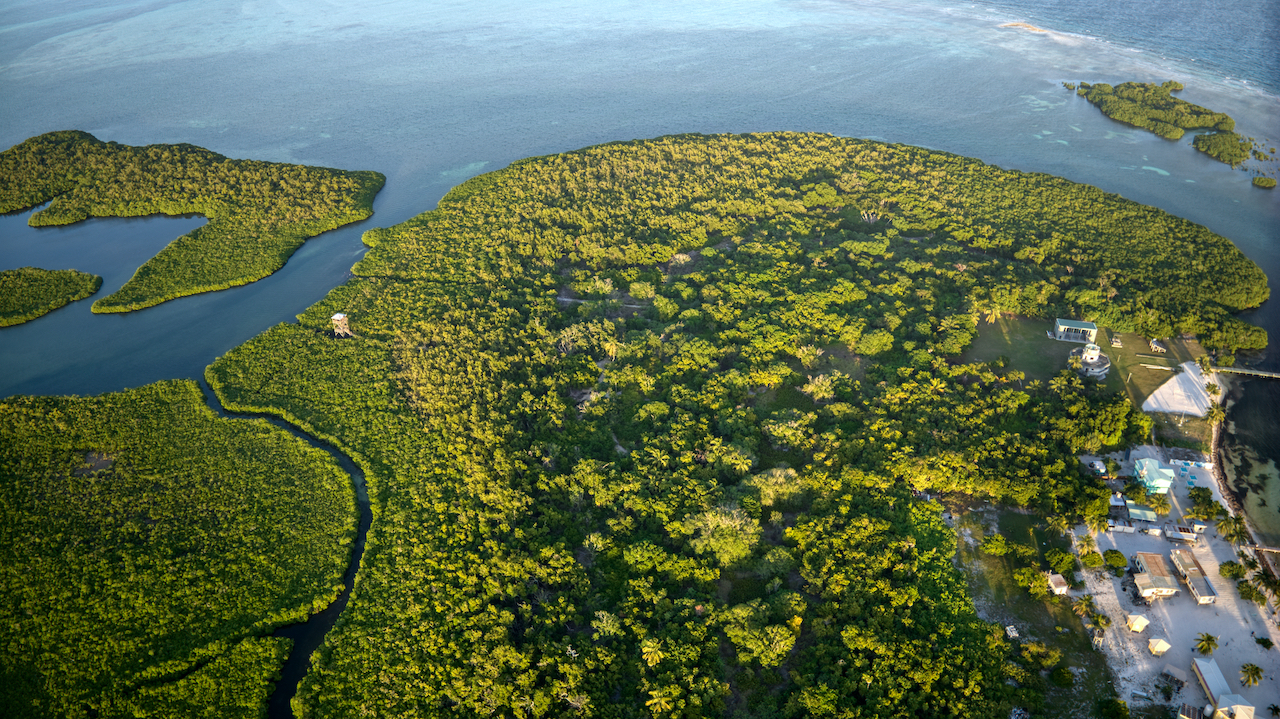
Littoral forest, found only on the cayes and the coastal strand of the mainland, is Belize’s most threatened ecosystem and the most threatened coastal habitat worldwide. This is due largely to coastal development.

A mix of hardy trees and shrubs, the vegetation typically includes both ‘caye forest’ and ‘beach thicket’, with herbaceous ground-cover plants and vines on the upper beach transitioning into woody shrubs with the relatively open canopy of salt-tolerant trees. These forests and scrubs bear the brunt of the storm winds, often showing stunted growth forms in the most exposed locations.

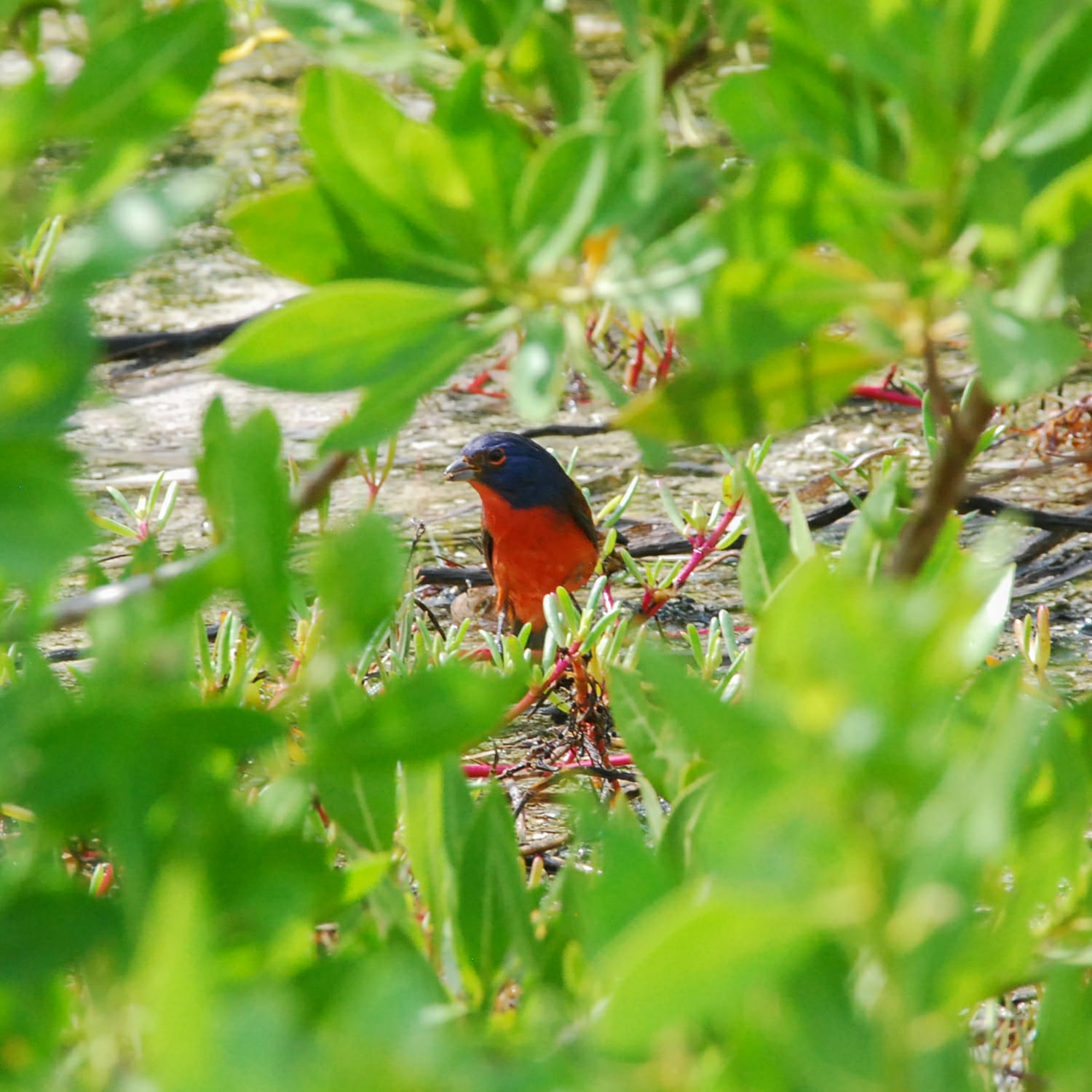
Littoral forest is not only important for resident species, but also for migratory birds that pass through Belize in the Fall and Spring. Belize is a critical transition point for birds crossing the Caribbean Sea, allowing them to rest, feed and refuel before flying on.

Discover more

Proceed Booking

Subscribe to our mailing list today

This field is for validation purposes and should be left unchanged.